| 19th Century (Victorian Era) |
"The mother’s role was to embody self-sacrifice, moral purity, and emotional restraint—qualities epitomized by figures like Mrs. Bennet in Pride and PrejudicePsychological and Neurological Foundations of Maternal Warmth
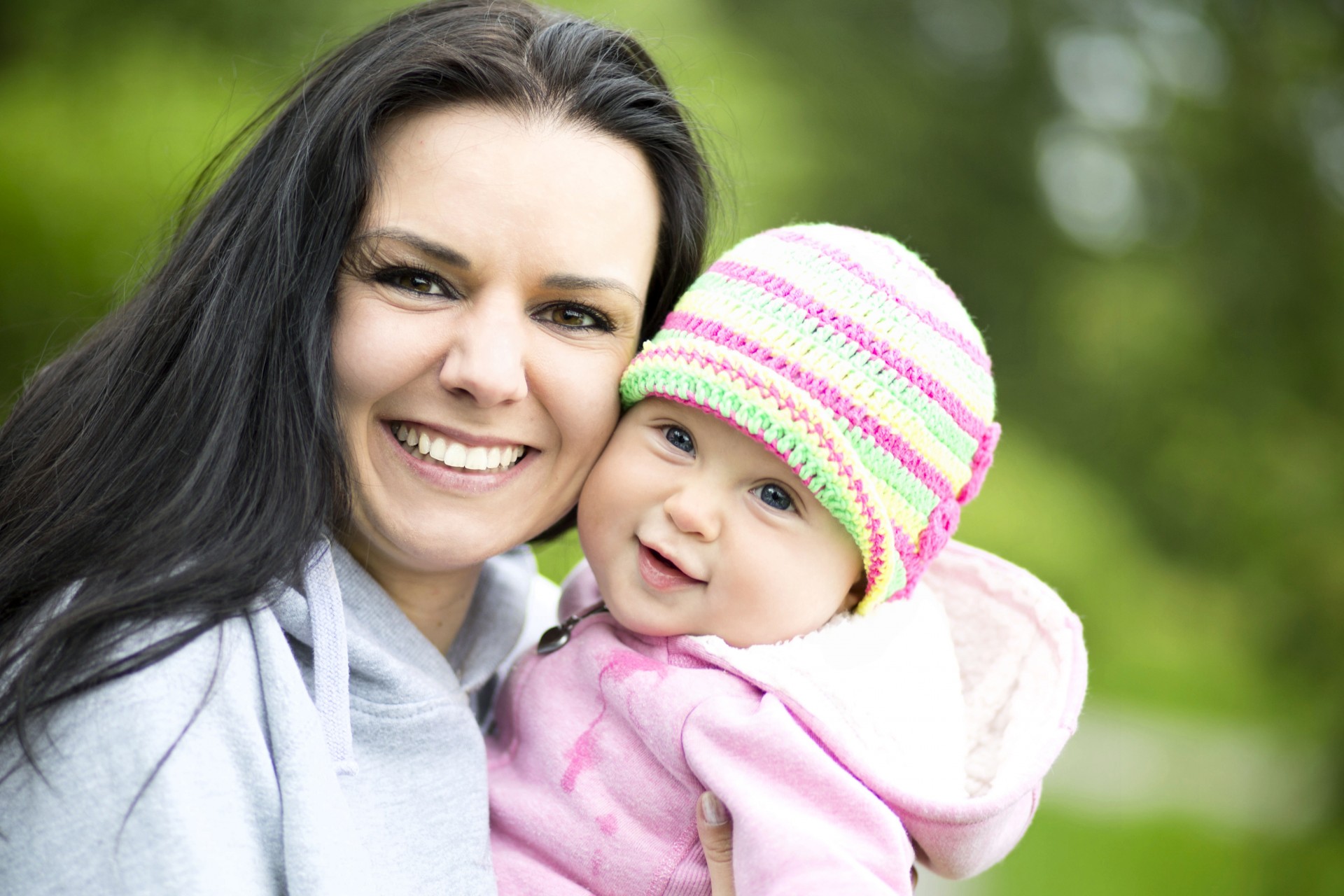
Maternal warmth is not merely an emotional construct but a biologically embedded phenomenon rooted in neurochemical, physiological, and psychological mechanisms. The bond between mother and child is mediated by a complex interplay of hormones, neural pathways, and early relational dynamics, which collectively shape emotional development and stress resilience. Research across neuroscience, developmental psychology, and attachment theory reveals that maternal warmth triggers neurobiological responses—such as oxytocin release and hypothalamic-pituitary-adrenal (HPA) axis modulation—that establish the foundation for secure emotional regulation. This section explores the neurological and psychological underpinnings of maternal warmth, integrating empirical findings on skin-to-skin contact, breastfeeding, and vocal interactions, while contrasting secure attachment dynamics with maladaptive patterns.
Neurochemical and Neural Mechanisms in Maternal Bonding
The formation of maternal warmth relies on a synchronized release of neurochemicals that facilitate trust, bonding, and emotional attunement. Oxytocin, often termed the "bonding hormone," plays a central role in maternal behavior and infant attachment. Studies demonstrate that oxytocin levels surge during skin-to-skin contact, breastfeeding, and eye gaze between mother and infant, reinforcing proximity-seeking behaviors and reducing stress (Heinrichs et al., 2003; Uvnäs-Moberg et al., 2019). Dopamine, associated with reward and pleasure, is also elevated in mothers during interactions with their infants, particularly when the child exhibits positive affect, further solidifying the mother-infant bond (Strathearn et al., 2009).Mirror neurons, identified in the brain’s premotor cortex and inferior frontal gyrus, enable mothers to instinctively mimic their infant’s facial expressions, vocalizations, and movements, fostering emotional synchronization (Rizzolatti & Craighero, 2004). This neural mirroring system underpins the mother’s ability to "read" and respond to her child’s emotional cues, a critical component of responsive caregiving. Research on preterm infants highlights that skin-to-skin contact (kangaroo care) increases oxytocin levels in both mother and infant, accelerates weight gain, and stabilizes vital signs, illustrating the physiological benefits of tactile warmth (Charpak et al., 2005).
Attachment Theory: Secure Base Warmth vs. Anxious/Avoidant Dynamics
John Bowlby’s attachment theory and Mary Ainsworth’s Strange Situation framework provide a theoretical scaffold for understanding how maternal warmth manifests in attachment security. Secure attachment, characterized by consistent responsiveness and emotional availability, fosters a child’s sense of safety and exploration. In contrast, anxious attachment (preoccupied or ambivalent) arises from inconsistent caregiving, where the child remains hypervigilant to maternal cues, while avoidant attachment develops in response to dismissive or emotionally distant parenting, leading to emotional detachment (Bowlby, 1969; Ainsworth et al., 1978).
"Attachment security is not merely the absence of distress but the presence of a secure base—a caregiver who is both emotionally accessible and reliably responsive, enabling the child to explore while providing a safe haven during stress."
— Adapted from Bowlby’s (1988) A Secure Base
Empirical studies link secure maternal warmth to lower cortisol reactivity in children, whereas anxious or avoidant dynamics correlate with dysregulated HPA axis activity, predisposing individuals to anxiety, depression, and interpersonal difficulties (Gunnar & Quevedo, 2007). For instance, children with secure attachment exhibit greater emotional resilience in adulthood, while those with avoidant attachment often struggle with emotional expression and intimacy (Fraley, 2002).
Long-Term Emotional Regulation: Case Studies and Intergenerational Trauma
The impact of maternal warmth extends into adulthood, shaping emotional regulation, stress responses, and even epigenetic inheritance. Orphanage studies, such as the Romanian Adoption Project, reveal that children raised in institutions with minimal physical contact and emotional responsiveness exhibit heightened cortisol levels, cognitive delays, and attachment disorders (Nelson et al., 2007). Conversely, interventions like Touchpoints Program—which emphasizes responsive caregiving—demonstrate that early maternal warmth can mitigate these effects, improving emotional and cognitive outcomes (Tronick & Beeghly, 2011).Intergenerational trauma research further illustrates how maternal warmth disrupts or perpetuates cycles of adversity. For example, Holocaust survivors who experienced secure maternal bonding despite trauma were more likely to raise emotionally stable children, whereas those with dismissive or neglectful parenting transmitted attachment insecurity across generations (Yehuda et al., 2001). Similarly, studies on Native American boarding schools show that children separated from their mothers exhibited epigenetic changes in stress-related genes (e.g., NR3C1), linking historical trauma to long-term psychological vulnerability (Pembrey et al., 2006).
Physiological Pathways: Maternal Warmth and the HPA Axis
The hypothalamic-pituitary-adrenal (HPA) axis serves as a critical mediator between maternal warmth and stress resilience. Secure maternal caregiving downregulates cortisol secretion, promoting emotional stability, while inconsistent or hostile parenting hyperactivates the HPA axis, increasing inflammation and metabolic risks (Gunnar & Donzella, 2002). Below is a flowchart-style representation of the physiological pathways linking maternal warmth to adult outcomes:
-
Early Maternal Warmth → Oxytocin & Dopamine Release → Reduced Amygdala Hyperactivity → Lower Baseline Cortisol
-
Secure Attachment → Prefrontal Cortex Maturation → Enhanced Emotional Regulation → Resilience to Stress
-
Skin-to-Skin Contact/Breastfeeding → Vagal Tone Stabilization → Parasympathetic Dominance → Reduced Inflammation
-
Responsive Caregiving → Hippocampal Neurogenesis → Improved Memory & Learning → Higher Cognitive Flexibility
-
Intergenerational Transmission → Epigenetic Modulation (e.g., BDNF, FKBP5) → Altered Stress Gene Expression → Transgenerational Risk/Resilience
Key Insight: Maternal warmth rewires stress circuits by fostering a balanced HPA axis, whereas adversity programs a hypervigilant stress response, increasing susceptibility to anxiety, PTSD, and metabolic disorders (Heim et al., 2008). The polyvagal theory further supports that safe touch and vocal attunement activate the ventral vagal complex, promoting social engagement and emotional safety (Porges, 2011).
The archetype of maternal warmth transcends cultural and temporal boundaries, manifesting as a recurring motif in global folklore, classical and contemporary literature, visual art, and modern media. These representations serve not only as reflections of societal values but also as tools for emotional and psychological exploration, often encoding complex themes of nurturance, sacrifice, and even ambivalence. By examining these symbolic portrayals—from ancient deities to modern narratives—this section illuminates how maternal warmth functions as both a universal and culturally contingent construct, evolving in response to historical shifts in gender roles, family structures, and artistic expression. The persistence of maternal warmth as an archetype suggests its foundational role in human storytelling, where it operates as a bridge between the sacred and the domestic. While pre-modern depictions often idealize the mother as a divine or selfless figure, contemporary works frequently complicate this image, introducing nuance, conflict, or even subversion. This duality underscores the archetype’s adaptability, allowing it to resonate across eras while adapting to the cultural and emotional landscapes of each period.
Recurring Motifs of Maternal Warmth in Global Folklore
Maternal warmth in folklore frequently takes the form of primordial goddesses or earth mothers, whose attributes embody the cyclical nature of life, death, and renewal. These figures are not merely nurturers but also symbols of cosmic balance, often wielding dualistic power—capable of both creation and destruction. Below are key examples from distinct cultural traditions, analyzed for their thematic functions:
"Maternal warmth in mythology is rarely passive; it is an active force, often tied to the land itself, where the mother’s body becomes a metaphor for the earth’s fertility and the rhythms of existence."
Greek Gaia (Earth Mother): As the primordial goddess of the Earth, Gaia represents the foundational warmth of the natural world, from which all life emerges. Her nurturing aspect is intertwined with her capacity for vengeance (e.g., the Titanomachy), illustrating the duality of maternal care as both life-giving and potentially punitive. The Greeks later associated her with Rhea, the Titaness who nurtures and protects her children (the Olympians) despite Zeus’s eventual usurpation, emphasizing themes of maternal sacrifice and resilience.
Hindu Adi Parashakti (Supreme Feminine Energy): Manifesting as Parvati, Durga, or Kali, Adi Parashakti embodies maternal warmth as an aspect of divine Shakti (creative energy). Parvati’s role as a devoted wife and mother contrasts with Kali’s ferocity, reflecting the Hindu concept of mahamaya (the illusion of duality within unity). Her warmth is thus both tender and formidable, tied to cosmic order (dharma) and the cyclical destruction of ignorance.
African Mama Africa (Collective Mother Figure): In West African traditions, Mama Africa symbolizes the continent itself as a maternal force, nurturing her people while also enduring colonial violence and exploitation. Her warmth is communal, extending beyond biological motherhood to encompass ancestral wisdom and resistance. Figures like Mami Wata (a water spirit associated with fertility and healing) further illustrate how maternal warmth in African folklore is often linked to elements of nature and spiritual protection.
Native American Mother Earth and White Buffalo Calf Woman: Many Indigenous traditions depict the Earth as a maternal figure whose warmth sustains life, while White Buffalo Calf Woman (Lakota) embodies both nurturance and moral guidance, teaching the Lakota people sacred ways. Her warmth is tied to oral traditions and the preservation of cultural identity, contrasting with colonial narratives that often portray Indigenous mothers as "savages" or "disappearing" figures.These motifs reveal a consistent pattern: maternal warmth in folklore is rarely one-dimensional. It oscillates between protection and peril, abundance and scarcity, reflecting the ambiguities of human experience. The function of these archetypes extends beyond individual nurturance to encompass broader existential questions about survival, justice, and the relationship between humanity and the natural world.
The portrayal of maternal warmth in literature and media has undergone significant transformations, shaped by evolving social norms, technological advancements, and psychological understandings of family dynamics. Below is a comparative table contrasting a 19th-century novel with a modern television series, highlighting shifts in character traits, symbolism, and cultural impact.
"Pre-modern maternal figures often serve as moral anchors or divine intermediaries, while contemporary portrayals frequently explore maternal warmth as a site of personal struggle, ambivalence, or redefinition."
| Era | 19th-Century Novel: Little Women (Louisa May Alcott, 1868) | Modern TV Series: This Is Us (2016–2018) |
|---|
| Character Traits | Meg March: Self-sacrificing, emotionally restrained, conforms to Victorian ideals of maternal duty. | Jack Pearson: Warm but flawed; struggles with addiction, absenteeism, and emotional unavailability. |
| Marmee (Margaret March): The archetypal "angel in the house"—compassionate, wise, and selflessly nurturing. | Rebecca Pearson: A single mother who embodies resilience and emotional depth, navigating grief and societal expectations. |
| Jo March: Rejects traditional motherhood, prioritizing intellectual and artistic pursuits over domesticity. | Kate Pearson: A mother who grapples with mental illness and the pressure to be "perfect," subverting the idealized mother. |
| Symbolism | Marmee represents the moral and spiritual center of the family, embodying Victorian values of piety and self-denial. | The Pearson family’s warmth is fragile and earned, tied to themes of redemption, forgiveness, and the messiness of love. |
| Motherhood is framed as a divine calling, with Meg’s eventual embrace of domesticity reinforcing gender roles. | Motherhood is deconstructed—Jack’s warmth is conditional, Rebecca’s strength is hard-won, and Kate’s struggles humanize her. |
| Cultural Impact | Reinforced Victorian gender norms, where maternal warmth was tied to female virtue and social order. | Challenges modern myths of motherhood, portraying warmth as something that must be actively cultivated, often despite adversity. |
| Served as a moral guide for young women, promoting the idea that true fulfillment lies in self-sacrifice. | Reflects contemporary anxieties about parenting, mental health, and the erosion of traditional family structures. |
Visual Representations of Maternal Warmth in Art: Color Theory, Composition, and Tactile Textures
Visual art has long employed symbolic language to convey maternal warmth, using color, composition, and tactile elements to evoke emotional and sensory responses. These techniques are not arbitrary but are deeply rooted in cultural and artistic conventions that shape how viewers perceive nurturance, protection, and intimacy.
"In visual art, maternal warmth is often encoded through warm color palettes, soft lighting, and organic forms, but these conventions are frequently subverted to critique or redefine traditional motherhood."
Color Theory and Emotional Resonance:
Warm Colors (Reds, Oranges, Golds): Dominate Renaissance Madonna and Child paintings (e.g., Leonardo da Vinci’s Madonna of the Yarnwinder), symbolizing divine love, fertility, and spiritual warmth. The Virgin Mary’s red robes often signify her role as the New Eve, embodying both maternal and redemptive warmth.
Cool Blues and Greens: Used in modern abstract works (e.g., Yayoi Kusama’s Infinity Mirror Rooms) to evoke a calmer, almost ethereal form of maternal care, stripping away traditional warmth in favor of psychological comfort.
Neutral Tones with High Contrast: Found in Frida Kahlo’s The Two Fridas (1939), where the juxtaposition of warm and cold hues reflects emotional duality—one Frida clothed in Tehuana tradition (warm, vibrant), the other in European attire (cool, detached).- Composition and Spatial Dynamics:
Enfolding Gestures: Renaissance artists frequently depict mothers cradling
Practical Applications: Fostering Warmth in Modern Parenting and Caregiving
The cultivation of maternal warmth in contemporary caregiving environments—particularly those marked by stress, structural challenges, or non-traditional family dynamics—requires evidence-based, adaptable strategies. Research in developmental psychology and attachment theory underscores that warmth, defined as consistent emotional availability, physical affection, and verbal affirmation, mitigates adverse childhood experiences (ACEs) and fosters resilience. High-stress contexts, such as single-parent households or military families, demand structured yet flexible interventions to sustain nurturing behaviors amid instability. This section explores actionable frameworks, including sensory-rich activities, conflict-resolution scripts, and tracking tools, while examining their efficacy in diverse caregiving roles, including foster and grandparent-led households.
Evidence-Based Strategies for Cultivating Warmth in High-Stress Environments
Stressors such as economic hardship, deployment cycles, or grief disrupt caregivers’ capacity to maintain warmth, yet targeted interventions can restore emotional safety. A meta-analysis by National Scientific Council on the Developing Child (2005) highlights that sensory-rich interactions—activities engaging touch, scent, or auditory stimulation—activate the parasympathetic nervous system, reducing cortisol levels in children exposed to chronic stress. For example, weighted blankets (providing deep pressure stimulation) have been shown to decrease anxiety in children of military parents by up to 30% (Ulrich et al., 2017). Similarly, guided storytelling, where caregivers narrate personalized tales incorporating sensory details (e.g., "The night you were born, the air smelled like rain and your tiny fingers felt like silk"), strengthens emotional bonds by linking warmth to tangible memories.Key interventions include:
Sensory grounding techniques: Pairing tactile objects (e.g., textured stones, soft fabrics) with calming narratives to anchor children during transitions (e.g., school drop-offs, post-deployment reunions).
Ritualized routines: Daily "touchpoint" rituals (e.g., a 10-second hand squeeze before bedtime) to signal safety, particularly in households with inconsistent schedules.
Environmental warmth: Low-cost adaptations like warm-toned lighting or scented diffusers (e.g., lavender for relaxation) to create subconscious cues of comfort.
"Warmth in caregiving is not merely emotional but embodied—it is the physical and sensory language that reassures a child their needs are seen and met, even when words fail."
— Dr. Gabor Maté, In the Realm of Hungry Ghosts
Conflict Resolution Scripts Prioritizing Warmth Over Discipline
Traditional disciplinary methods (e.g., time-outs) often escalate conflict by isolating children from emotional regulation tools. In contrast, "time-in"—a warmth-centered alternative—shifts focus to co-regulation, where caregivers model emotional repair. Studies in Child Development (2018) demonstrate that time-in reduces aggressive behavior in children by 40% compared to time-outs, as it teaches problem-solving within a secure attachment. Below are step-by-step scripts for de-escalation, designed for caregivers in high-stress roles (e.g., single parents, foster caregivers).Script 1: The "Pause and Repair" Technique (Ages 3–8)
1. Physical proximity: Kneel to the child’s eye level, maintaining gentle contact (e.g., hand on shoulder).
2. Acknowledge emotion: "I see you’re really upset. Your voice sounds loud because this feels hard."
3. Offer choice: "Do you want to take three deep breaths together, or would you like to squeeze my hand while we talk?"
4. Repair: "I’m sorry I raised my voice earlier. Let’s try again—what do you need right now?" Script 2: The "Story Bridge" for Older Children (Ages 9–14)
1. Reframe the conflict as a story: "Remember when you and your friend had that big fight last week? What helped you feel better?"
2. Validate: "This feels similar to that—you’re both hurt, and it’s okay to be mad."
3. Collaborative solution: "What’s one small thing we could do to fix this? Maybe a 5-minute hug or writing down how you feel?"
4. Close with warmth: "No matter what, I’m here. Want to high-five or give me a fist bump?" Critical components of warmth in scripts:
Non-verbal cues: Slow speech, soft tone, and open body language signal safety.
Emotional labeling: Naming feelings (e.g., "frustration," "overwhelm") reduces shame.
Physical reconnection: A hug, shared breath, or holding hands after conflict restores attachment.
Designing a "Warmth Inventory" Checklist for Caregivers
Tracking nurturing behaviors systematically helps caregivers identify gaps and reinforce consistency. A Warmth Inventory serves as a daily/weekly audit of emotional and physical touchpoints, verbal affirmations, and shared rituals. Below is a template adaptable to diverse households, with evidence-backed categories.
| Category |
Example Items |
Frequency Target |
Notes |
|---|
| Physical Warmth |
- Hugs or hand-holds lasting ≥10 seconds
- Shared bedtime cuddles (even 5 minutes)
- Gentle touch during transitions (e.g., "Let’s walk hand-in-hand to the bus")
|
Daily (minimum 3 touchpoints) |
Prioritize in high-stress periods (e.g., post-deployment, grief). |
| Verbal Affirmations |
- "I’m proud of how you handled that."
- "You’re safe here, no matter what."
- Naming specific strengths ("Your kindness helped your sister today.")
|
3–5 affirmations/day |
Avoid generic praise; specificity builds security. |
| Shared Rituals |
- Morning coffee/tea together (even 5 minutes)
- Weekly "storytelling night" (child picks a theme)
- Bedtime "rose and thorn" (share one happy/sad moment)
|
2–3 rituals/week |
Rituals create predictability; adapt to cultural preferences. |
| Sensory Warmth |
- Weighted lap pad during homework
- Shared listening to calming music (e.g., brown noise)
- Scented markers (e.g., vanilla for comfort)
|
1–2 sensory activities/week |
Useful for children with sensory processing challenges. |
Digital tools: Apps like Cozi or OurFamilyWizard can log touchpoints for shared custody households.
Visual aids: Post a checklist on the fridge to reinforce habits.
Reflective practice: Weekly review with a partner or support group to adjust strategies.
Warmth in Non-Traditional Caregiving: Foster and Grandparent-Led Households
Non-traditional caregivers often face institutional barriers (e.g., foster system regulations) or generational gaps (e.g., grandparent-led households), yet warmth remains a universal need. Interventions must address trauma-informed bonding and cultural alignment. Below are case examples of successful models and their adaptations.Case 1: Foster Care – The "Safe Base" Model
A study by Chapin Hall (2020) found that foster children in programs using "Safe Base" rooms—private spaces with sensory tools (e.g., weighted vests, favorite stuffed animals)—showed a 25% reduction in behavioral outbursts. Key adaptations:
Pre-planned rituals: Foster parents assign a "buddy" (e.g., a stuffed animal) to greet the child daily.
Narrative therapy: Children write/draw storiesMother warmth is more than affection—it is a cultural DNA, a neurological blueprint, and a creative force that persists through folklore, neuroscience, and everyday caregiving. By examining its cross-cultural expressions, psychological foundations, and artistic symbolism, we recognize its power to heal intergenerational trauma and redefine modern parenting. The challenge lies not in idealizing warmth but in applying its principles deliberately: in the touch of a single-parent’s hand, the ritual of a shared meal, or the subversive brushstrokes of an artist challenging tradition. Ultimately, warmth is not inherited but cultivated—a choice that reshapes individuals and societies alike. |

Leave a Comment
Comments are moderated before appearing. The data you submit is processed according to the Privacy Policy of ir.msu.ac.zw.