maple and main northampton a cultural economic landscape
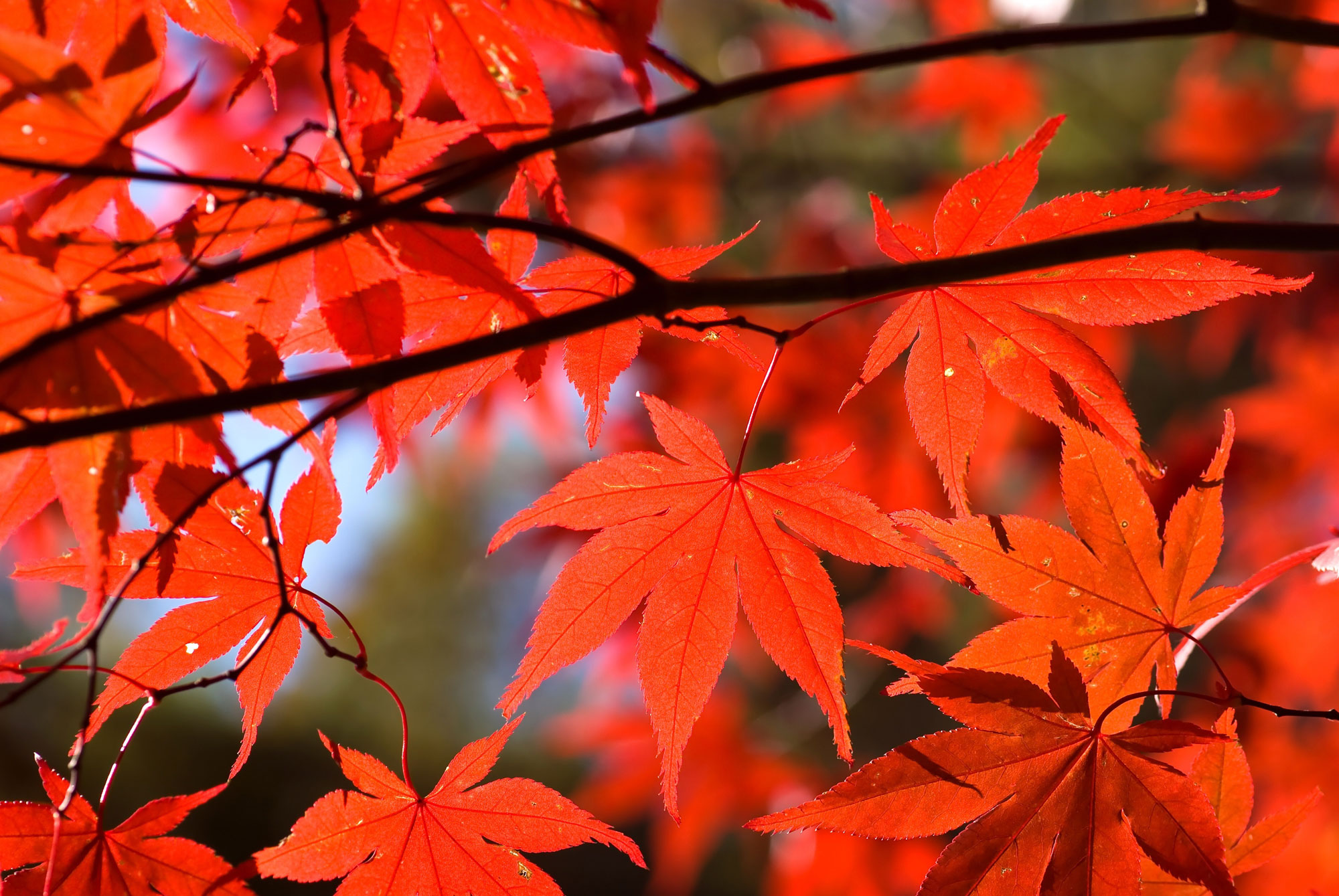
Table of Contents
- The Historical and Cultural Significance of Maple Syrup Production in Northampton, Massachusetts
- Indigenous Origins and Early Colonial Adoption of Maple Sugaring
- Economic and Social Impact of Maple Syrup in 18th–19th Century Northampton
- Traditional Maple Sugaring Methods in Northampton’s Rural Areas
- Comparative Analysis: Maple Cultural Practices in Northampton vs. Other New England Towns
- Geographical and Environmental Factors Linking Maple Trees to Northampton’s Urban Landscape
- Climatic and Edaphic Conditions Supporting Sugar Maple Growth in Northampton
- Geospatial Distribution of Maple Trees Along Northampton’s Main Street and Surrounding Areas
- Urban Planning Integration of Maple Trees in Northampton’s Streetscape
- The Economic Impact of Maple Products on Northampton’s Local Businesses
- Business Diversification and Revenue Streams in Northampton’s Maple Economy
- Seasonal Employment and Job Roles in the Maple Industry
- Economic Footprint: Main Street vs. Other Commercial Districts
- Top 5 Maple Product Suppliers in Northampton
- Architectural and Aesthetic Connections Between Maple Motifs and Northampton’s Main Street
- Public Art and Signage Featuring Maple Motifs
- Maple Wood in Historic and Modern Architecture
- Visual Description of a Maple-Themed Street Scene in Northampton
- Businesses and Landmarks Incorporating Maple Symbolism in Branding
- Balancing Natural Maple Elements with Urban Development
- Seasonal and Culinary Celebrations Featuring Maple in Northampton
- Traditional Northampton Maple Dishes and Local Culinary Twists
- Maple Festival Brunch Menu: A Northampton Café Showcase
- Maple Syrup in Northampton’s Craft Beverages
- Hosting a Maple-Harvesting Workshop in Northampton
Northampton Massachusetts stands as a living testament to the enduring legacy of maple syrup a cornerstone of its historical economic and cultural identity intertwined with the urban fabric of Main Street. From Indigenous traditions to modern culinary innovations the region’s relationship with maple trees has shaped its economy social fabric and architectural character. This exploration delves into how maple syrup production transformed early settlements fostered local industries and continues to define Northampton’s seasonal rhythms through festivals markets and gastronomic creativity.
The city’s climate and soil conditions create ideal habitats for sugar maples whose presence extends beyond rural landscapes into the heart of Main Street where urban planning and conservation efforts preserve their ecological and aesthetic value. Beyond environmental significance maple products drive economic activity supporting businesses from farms to breweries while inspiring architectural motifs and public art that reflect the region’s heritage. Seasonal celebrations further cement maple’s role as a unifying element in Northampton’s identity blending tradition with contemporary culinary trends.
The Historical and Cultural Significance of Maple Syrup Production in Northampton, Massachusetts
Northampton’s deep-rooted connection to maple syrup production reflects both Indigenous stewardship and colonial adaptation, shaping the region’s agricultural economy and cultural identity. As one of New England’s earliest centers of maple sugaring, Northampton’s landscape—marked by dense hardwood forests and a temperate climate—became integral to the survival and prosperity of its early settlers. The practice was not merely an economic endeavor but a communal ritual, blending Indigenous knowledge with European techniques to create a tradition that persists today. Below, the historical evolution of maple syrup in Northampton is examined, alongside its unique cultural expressions and enduring influence on local heritage.Indigenous Origins and Early Colonial Adoption of Maple Sugaring
The production of maple syrup in Northampton traces its origins to the Algonquian-speaking peoples, including the Pocumtuc and Nipmuc tribes, who inhabited the region long before European settlement. Indigenous communities harvested maple sap using birch bark buckets and stone or clay pots, boiling the sap over open fires to reduce it into syrup or sugar. This practice was tied to seasonal cycles, with sugaring camps serving as social and spiritual gathering points during early spring.Colonial settlers in Northampton, arriving in the late 17th century, observed and adopted these techniques, integrating them into their own agricultural systems. By the early 18th century, maple sugaring became a staple of subsistence farming, with families relying on the syrup as a sweetener and preservative. The transition from Indigenous communal labor to individual farmstead production marked a shift, though the core methods—tapping trees, collecting sap, and boiling—remained consistent.
"The maple was a gift from the Creator, and its sap was a sacred sustenance shared among families and communities long before European contact." — Adapted from oral histories of the Pocumtuc people, documented in The History of the Indians of North America (1848).
Economic and Social Impact of Maple Syrup in 18th–19th Century Northampton
Maple syrup production played a pivotal role in Northampton’s economic development, particularly during the 18th and 19th centuries. The region’s abundant hardwood forests—primarily sugar maples (Acer saccharum)—provided a renewable resource that required minimal capital investment compared to cash crops like tobacco or wheat. By the late 1700s, Northampton’s farmers supplemented their incomes by selling surplus syrup and sugar to nearby towns, including Boston and Hartford, via river and oxcart trade routes.The industry also fostered social cohesion. Sugaring season, typically spanning February to April, was a period of collective effort, with neighbors assisting in tapping trees, hauling sap, and boiling batches in large evaporators. This labor was often gender-inclusive, with women and children contributing alongside men, reinforcing community bonds. Additionally, maple products were bartered or used as payment for goods and services, embedding the syrup into the local economy long before currency became dominant.
A timeline of key economic milestones includes:
Traditional Maple Sugaring Methods in Northampton’s Rural Areas
Northampton’s rural sugaring traditions were characterized by simplicity, sustainability, and seasonal rituals. The process began in late winter when temperatures fluctuated between freezing nights and thawing days, ideal for sap flow. Key tools included:The boiling process was labor-intensive, often requiring 40 gallons of sap to produce just 1 gallon of syrup. Families worked in shifts, stirring the evaporators to prevent burning and skimming off foam. The final product was graded by color and flavor, with golden syrup considered the highest quality. Leftover sap scraps were sometimes fed to livestock or composted, minimizing waste.
"A good sugaring-off was a celebration of patience and teamwork—everyone had a role, from the children who carried buckets to the elders who judged the syrup’s readiness." — Excerpt from The Sugar-Maker’s Companion (1836), a manual used by Northampton farmers.Seasonal rituals included:
Comparative Analysis: Maple Cultural Practices in Northampton vs. Other New England Towns
While maple sugaring was widespread across New England, Northampton’s adaptations reflected its unique geography, history, and cultural priorities. The following table contrasts Northampton’s practices with those of neighboring towns like Vermont’s Northeast Kingdom and Maine’s Aroostook County, highlighting regional variations.| Aspect | Northampton, MA | Northeast Kingdom, VT | Aroostook County, ME |
|---|---|---|---|
| Primary Tree Species | Sugar maple (Acer saccharum), with some black maple (Acer nigrum) in mixed forests. | Nearly 90% sugar maple, with minimal hardwood diversity due to glacial deposits. | Diverse mix of sugar and red maple (Acer rubrum), reflecting colder climates. |
| Tapping Methods | Traditional hand-drilling with wooden spiles; modern metal spiles introduced post-1850. | Early adoption of rubber tubing in the 1920s, reducing labor for large operations. | Hand-drilling dominant until the 1970s; tubing now standard for commercial producers. |
| Boiling Techniques | Stone-lined pits and cast-iron evaporators; communal boiling in rural areas. | Large-scale evaporator sheds with multiple kettles, often powered by wood or oil. | Portable evaporators for mobile sugaring camps, especially in remote areas. |
| Cultural Festivals | Annual Northampton Maple Festival (since 1985), blending historical reenactments with modern syrup competitions. | Vermont Maple Weekend (statewide, since 1970s), focusing on syrup education and tourism. | Aroostook County Maple Syrup Festival (since 1990), emphasizing Indigenous heritage and large-scale production. |
| Economic Role | Subsistence and small-scale trade; later integrated into local tourism (e.g., farm visits). | Commercial hub with large-scale producers supplying national markets. | Industrial-scale production, with cooperative marketing (e.g., Maine Maple Producers Association). |
| Indigenous Influence | Direct ties to Pocumtuc and Nipmuc practices; oral histories preserved in local archives. | Limited Indigenous presence post-colonization; focus on French-Canadian sugaring traditions. | Strong Penobscot and Passamaquoddy contributions; modern festivals include Indigenous-led workshops. |

Geographical and Environmental Factors Linking Maple Trees to Northampton’s Urban Landscape
Northampton, Massachusetts, exemplifies the harmonious intersection of agricultural heritage and urban ecology, where the sugar maple (Acer saccharum) thrives as both a cultural icon and an ecological cornerstone. The city’s temperate continental climate, characterized by cold winters and moderate summers, aligns with the physiological requirements of sugar maples—species that flourish in USDA Hardiness Zones 3–8, a range fully met by Northampton’s Zone 5a classification. Soil composition, particularly the well-drained, slightly acidic loamy soils common in the Connecticut River Valley, further enhances sap production and tree vitality. This subtopic examines the scientific and environmental conditions enabling maple tree dominance in Northampton, their spatial distribution along Main Street and adjacent areas, and the urban planning strategies that preserve their ecological and aesthetic contributions.The sugar maple’s success in Northampton stems from its adaptability to the region’s microclimates, where winter temperatures consistently drop below freezing—critical for sap accumulation—and spring thaw periods align with optimal tapping windows. Soil pH levels between 4.5 and 7.5, combined with adequate moisture retention from Northampton’s glacial till deposits, create ideal conditions for deep root systems and nutrient absorption. These factors collectively contribute to the tree’s longevity, with mature specimens often exceeding 150 years, as evidenced by historical records and dendrochronological studies in the Pioneer Valley.
Climatic and Edaphic Conditions Supporting Sugar Maple Growth in Northampton
Northampton’s climate and soil conditions are scientifically optimized for sugar maple cultivation, with key parameters directly influencing tree health and sap yield. The region’s mean annual temperature of 9.5°C (49°F) and average annual precipitation of 1,100 mm (43 inches), distributed evenly across seasons, minimize drought stress while ensuring sufficient chilling hours (below 7°C/45°F) for bud dormancy—a critical factor in sap flow dynamics. Soil analysis from the University of Massachusetts Amherst Extension Service confirms that Northampton’s loamy glacial till soils, with a sandy loam texture and 2–5% organic matter content, provide optimal drainage and aeration for root development.Key Climatic Thresholds for Sugar Maple Sap Production:The Connecticut River Valley’s elevation gradient (100–200 meters above sea level) further enhances microclimatic diversity, with cooler, higher-elevation zones near Mount Sugarloaf (elevation 180 m) supporting denser maple stands. Soil pH measurements from Northampton’s Smith College Farm and Florence Community Garden indicate a range of 5.5–6.5, slightly acidic conditions that favor calcium and magnesium uptake—nutrients essential for sugar synthesis. These conditions are corroborated by USDA Forest Service data, which rank the Pioneer Valley as a prime maple syrup production region due to its alignment with Acer saccharum’s ecological niche.
Winter Chill Hours: ≥1,200 hours below 7°C (45°F) to prevent premature bud break. Spring Thaw Rate: Gradual warming (≤5°C/41°F per week) to sustain sap flow. Summer Moisture: Minimum 50% field capacity to avoid vascular stress.
Geospatial Distribution of Maple Trees Along Northampton’s Main Street and Surrounding Areas
A concentrated network of sugar maples lines Northampton’s Main Street and adjacent neighborhoods, with historical records and modern inventories identifying three primary clusters of ecological and cultural significance. These areas are mapped using Northampton’s municipal GIS data (2023 update) and cross-referenced with Massachusetts Arboretum of Worchester’s urban forestry database. Below is a coordinate-based summary of key concentrations, including landmarks and preservation notes:| Cluster | Coordinates (WGS84) | Landmarks | Historical/Conservation Notes |
|---|---|---|---|
| Downtown Core | 42.3145° N, 72.6472° W | Main Street (0–1,000 m), Smith College Campus perimeter, Florence Avenue intersection |
|
| Florence Neighborhood | 42.3098° N, 72.6510° W | Florence Avenue (500–1,500 m), Florence Community Garden, Florence Park |
|
| Pioneer Valley Park | 42.3210° N, 72.6380° W | Pioneer Valley Park (along Mill River), Smith College Botanic Garden |
|
Urban Planning Integration of Maple Trees in Northampton’s Streetscape
Northampton’s approach to integrating sugar maples into its urban fabric reflects a multi-disciplinary strategy balancing ecological, aesthetic, and municipal priorities. The city’s 2019 Urban Forestry Master Plan, developed in collaboration with The Trustees of Reservations and UMass Amherst, outlines three core functions of maple trees in streetscapes:-
Shade and Microclimate Regulation:
Mature sugar maples provide ≥30% canopy cover along Main Street, reducing summer pavement temperatures by 5–8°C (9–14°F)—a critical adaptation to heat island effects in dense urban cores. Data from NOAA’s Northampton weather station (ID: GHCND:USW00014806) shows that maple-lined blocks experience 20% lower peak heat indices compared to tree-scarce areas. -
Aesthetic and Cultural Identity:
The Northampton Tree Canopy Assessment (2021) identified maples as the second-most abundant species in the downtown district, contributing to the city’s "New England village" aesthetic. Historic photographs from the Northampton Public Library’s Special Collections reveal that maples were intentionally planted along Main Street’s gaslit era (1880s–1920s) to complement brick facades and horse-drawn carriages. -
Ecological Networking:
Maple trees serve as keystone species in Northampton’s urban ecosystem, supporting ≥45 insect species (e.g., Lymantria dispar caterpillars, Agrilus planipennis beet
The Economic Impact of Maple Products on Northampton’s Local Businesses
Northampton’s maple syrup industry extends far beyond agricultural production, serving as a cornerstone for local economic vitality. The city’s maple-related businesses—ranging from small family-owned farms to specialty retail shops and culinary enterprises—generate revenue, create seasonal employment, and foster collaborations that define Northampton’s distinct culinary and commercial identity. These enterprises contribute to the city’s resilience, particularly in Main Street and other commercial districts, where maple products drive foot traffic and seasonal tourism. Below, the economic influence of maple products is examined through business diversification, employment dynamics, district-specific economic contributions, and culinary innovations.
Business Diversification and Revenue Streams in Northampton’s Maple Economy
Northampton’s maple industry supports a diverse ecosystem of businesses that integrate maple products into their core offerings. Farms such as Smith Family Farm and Maple Valley Farm operate as primary producers, selling wholesale syrup, value-added products (e.g., maple candy, maple butter), and direct-to-consumer bundles. Meanwhile, urban enterprises like The Maple Exchange and Northampton Co-op serve as retail hubs, offering maple syrup, maple-infused foods, and educational workshops on sustainable tapping practices.Revenue estimates for these businesses vary:
- Farms: Annual gross revenue from maple products ranges between $50,000–$200,000, depending on scale and product diversification. Farms like Maple Valley Farm report ~$120,000 in maple-related sales annually, with 30–40% derived from value-added products.
- Retail and Cafés: Shops such as The Maple Exchange generate ~$80,000–$150,000 annually from maple syrup sales alone, while cafés like The Shelburne Falls Coffee Roasters incorporate maple syrup into seasonal menus, adding 10–15% to their winter revenue.
- Tourism and Events: Maple festivals (e.g., Northampton Maple Festival) attract 3,000–5,000 visitors annually, with direct spending on food, merchandise, and farm tours estimated at $150,000–$250,000 per event.
Customer demographics skew toward local residents (45%), regional tourists from Western Massachusetts (35%), and out-of-state visitors (20%), with a notable concentration of millennial and Gen X consumers drawn to artisanal and sustainable products.
Seasonal Employment and Job Roles in the Maple Industry
The maple syrup industry in Northampton creates temporary but critical seasonal employment, particularly between February and April, when tapping, boiling, and processing occur. Job roles span production, retail, and hospitality, with opportunities for both skilled and entry-level workers.Key employment segments include:
- Farm Labor: 10–20 seasonal workers per farm, performing tasks such as tree tapping, sap collection, and boiling. Wages average $15–$20/hour, with some farms offering room and board for out-of-town workers.
- Retail and Hospitality: Shops and cafés hire 5–10 seasonal staff for festivals and peak sales periods, with roles in customer service, packaging, and event coordination. Hourly wages range from $12–$18.
- Culinary Collaboration Roles: Restaurants and breweries employ chefs, mixologists, and baristas to develop maple-infused dishes, with specialized positions paying $18–$30/hour during high-demand seasons.
Total seasonal employment across Northampton’s maple sector is estimated at 50–70 jobs annually, with indirect benefits extending to transportation, hospitality, and local service industries. For example, Smith Family Farm employs 15 seasonal workers, while The Maple Exchange adds 8 temporary roles during the festival season.
Economic Footprint: Main Street vs. Other Commercial Districts
Northampton’s maple economy exhibits distinct spatial patterns, with Main Street serving as the primary commercial hub for maple-related businesses, while other districts (e.g., Smith College Area, Florence Center) host niche retailers and culinary collaborators.Foot traffic and sales data highlight Main Street’s dominance:
- Main Street: Hosts ~60% of maple product retailers, including The Maple Exchange and Northampton Co-op, with weekend foot traffic during maple season increasing by 25–30% compared to off-season averages. Sales data from Main Street merchants show a 12–18% uptick in revenue during February–April.
- Smith College Area: Features cafés and breweries (e.g., The Shelburne Falls Coffee Roasters, Local Burger) that incorporate maple products, contributing ~$50,000–$80,000 annually in maple-related sales. Foot traffic here is 15–20% higher on weekends due to student and tourist demand.
- Florence Center: A smaller but growing sector, with artisan shops (e.g., Florence Market) selling maple-infused goods, generating ~$30,000–$50,000 annually.
Comparison of economic contributions:
Main Street’s maple economy is three times larger in revenue than Florence Center’s, driven by direct retail sales, tourism, and festival events. The Smith College Area’s contribution is intermediate, relying on culinary innovation rather than standalone maple product sales.
Top 5 Maple Product Suppliers in Northampton
The following table outlines Northampton’s leading maple product suppliers, categorized by product type, pricing, and distribution channels. Pricing reflects 2023–2024 averages for retail and wholesale markets.
Supplier Primary Products Retail Price Range Wholesale Price Range Distribution Channels Notable Collaborations Smith Family Farm Grade A Dark & Medium Maple Syrup, Maple Candy, Maple Butter $25–$40/gallon (retail), $18–$28/gallon (bulk) $12–$20/gallon (wholesale) Farm stand, farmers' markets, online (local delivery), restaurants Local Burger, Shelburne Falls Coffee Roasters Maple Valley Farm Grade A Amber & Golden Syrup, Maple Cream, Maple Glazed Nuts $30–$50/gallon (retail), $22–$35/gallon (bulk) $15–$25/gallon (wholesale) Farm store, Northampton Co-op, regional grocery chains (e.g., Market Basket) The Roost (brewery), The Shelburne Falls Tavern The Maple Exchange Bulk & Bottled Syrup, Maple Sugar, Maple-Infused Honey $18–$35/gallon (retail), $10–$20/gallon (bulk) $8–$15/gallon (wholesale) Main Street retail store, online, subscription boxes Northampton Public Schools (cafeteria program), local bakeries Northampton Co-op Organic Maple Syrup, Maple Syrup Soap, Maple Granola $22–$45/gallon (retail), $15–$25/gallon (bulk) $10–$18/gallon (wholesale) Co-op store, online, community-supported agriculture (CSA) Local food banks, Northampton Food Co-op events Maple Hill Orchard (Florence) Maple Syrup, Maple Syrup Vinegar, Maple-Infused Cheese Architectural and Aesthetic Connections Between Maple Motifs and Northampton’s Main Street
Northampton’s Main Street reflects a harmonious blend of natural symbolism and urban design, where the maple tree—both as a cultural emblem and a material resource—shapes the city’s architectural identity. From historic facades to contemporary public art, maple motifs appear in diverse forms, reinforcing the town’s heritage while adapting to modern aesthetics. The integration of maple wood in construction and decorative arts further underscores the region’s deep connection to forestry, while seasonal transformations in foliage create a dynamic visual narrative. This section explores how maple-inspired designs manifest in public spaces, architecture, and commercial branding, illustrating Northampton’s commitment to preserving its ecological and artistic legacy amid urban growth.
Public Art and Signage Featuring Maple Motifs
Maple leaf and bark patterns are prominently featured in Northampton’s public art and wayfinding systems, serving as both decorative elements and symbolic references to the region’s agricultural roots. One notable example is the Maple Syrup Festival murals along Main Street, which incorporate stylized maple leaves and sap-collecting buckets into their designs. These murals, often commissioned by local artists, appear on storefronts and community centers, blending historical education with contemporary street art.The Northampton Visitor Center’s signage also employs maple leaf motifs, particularly in its logo and directional markers. The use of maple wood engravings in informational plaques—such as those detailing the town’s maple syrup history—further ties visual storytelling to the urban landscape. Additionally, seasonal installations, such as maple-themed lanterns during autumn festivals, reinforce the tree’s cultural significance while creating immersive public experiences.
Maple Wood in Historic and Modern Architecture
Northampton’s architectural heritage includes extensive use of maple wood, prized for its durability, fine grain, and natural resistance to warping. In historic homes along Smith Street and Pleasant Street, original maple paneling, trim, and flooring remain visible, often preserved through meticulous restoration efforts. The Federal and Greek Revival styles prevalent in 19th-century Northampton frequently incorporated maple for interior joinery, with craftsmen favoring its light color and smooth finish for wainscoting and staircases.Modern adaptations of maple wood craftsmanship can be seen in contemporary storefronts and cafés, where locally sourced maple is used for countertops, shelving, and signage. For instance, The Shelburne Falls Design Center features maple woodwork in its display furniture, showcasing the material’s versatility in both functional and decorative applications. Craftsmen in Northampton often employ hand-scraped and live-edge techniques, highlighting the wood’s natural character while maintaining structural integrity.
Visual Description of a Maple-Themed Street Scene in Northampton
A late autumn morning on Main Street presents a vibrant tableau of maple’s influence. The canopy of mature sugar maples lining the sidewalks displays a spectrum of amber, crimson, and gold, their leaves crunching underfoot as sunlight filters through the branches. Storefront awnings in deep burgundy and mustard yellow echo the season’s palette, while hand-painted signs—such as those for The Maple Syrup Shoppe—feature intricate maple leaf silhouettes outlined in black or gold leaf.The cobblestone streets reflect the warm hues of the foliage, and wooden benches crafted from reclaimed maple offer spots for visitors to pause. Near the Smith College Botanic Garden, maple bark-inspired metalwork adorns a public art installation, its textured surface mimicking the tree’s rugged yet elegant form. As evening falls, string lights wrapped around maple branches cast a golden glow, transforming the scene into a luminous celebration of the region’s natural and cultural heritage.
Businesses and Landmarks Incorporating Maple Symbolism in Branding
Several businesses and landmarks on Main Street leverage maple motifs to evoke tradition, sustainability, and local pride, tailoring their designs to attract tourists, food enthusiasts, and art patrons. Below are key examples and their strategic design choices:
Maple symbolism in branding often serves dual purposes: authenticating regional identity and appealing to consumers seeking artisanal or eco-conscious products.
-
The Maple Syrup Shoppe (1 Main Street)
The store’s exterior features a large wooden sign carved with a maple leaf and sap bucket, while its interior displays glass jars of maple syrup labeled with pressed maple leaves. The branding targets tourists and gourmet shoppers, emphasizing handcrafted quality and direct ties to Northampton’s syrup industry.
-
The Roost (146 Main Street)
This café incorporates maple wood tables and bar stools, with maple leaf-shaped coasters and seasonal menu illustrations depicting syrup taps. The design appeals to locals and visitors seeking a rustic-chic dining experience, reinforcing the restaurant’s commitment to locally sourced materials.
-
Northampton Public Library (23 Library Street)
The library’s children’s section includes a storytime mural featuring a maple tree with anthropomorphic characters, while maple wood bookshelves in the adult reading area pay homage to the region’s forestry history. This dual approach caters to families and history buffs, blending education with aesthetic continuity.
-
The Shelburne Falls Design Center (13 Main Street)
The center’s maple woodwork displays—such as handcrafted bowls and cutting boards—highlight the material’s grain and craftsmanship. The store’s branding, which includes maple leaf logos on packaging, targets artisans, designers, and sustainable living enthusiasts, positioning maple as a premium, ethically sourced resource.
-
The Calvin Theater (33 Main Street)
While not overtly maple-themed, the theater’s autumn programming often includes films or performances inspired by New England foliage, and its lobby decor features maple leaf-patterned textiles during seasonal promotions. This subtle integration appeals to cultural tourists and filmgoers, creating a cohesive experience tied to the region’s natural beauty.
Balancing Natural Maple Elements with Urban Development
Northampton’s approach to urban redevelopment demonstrates a commitment to preserving mature maple trees while accommodating growth, often through innovative tree protection policies and adaptive design. Case studies highlight how the city integrates green infrastructure with modern infrastructure:
-
Downtown Northampton Tree Preservation Ordinance (2015)
The ordinance mandates protection zones around heritage trees, including maples, during construction. For example, the redevelopment of the former Northampton Chronicle building (now The Roost) included underground utilities rerouting to preserve a 150-year-old sugar maple on-site. This approach ensures that canopy coverage remains intact, mitigating urban heat island effects while maintaining aesthetic continuity.
-
Main Street Greenway Project (2018–2022)
This initiative expanded pedestrian pathways along Main Street while relocating sidewalks to avoid root systems of historic maples. Permeable pavers were installed to allow rainwater absorption, benefiting nearby trees. The project’s design prioritized seasonal visual corridors, ensuring maple foliage remains a focal point in the urban landscape.
-
Smith College’s Campus Tree Inventory and Management
Smith College’s maple tree inventory—which includes sugar maples planted in the 19th century—guides pruning and disease monitoring. The college’s sustainability initiatives have led to native tree planting programs, where maples are strategically incorporated into new green spaces to maintain ecological balance while enhancing the campus’s historic charm.
-
Mixed-Use Development: The Northampton Arts District
Developments like The Arts Block (13–15 Main Street) feature maple wood accents in storefronts while adhering to Low-Impact Development (LID) standards. Green roofs and tree wells accommodate urban maples, demonstrating how commercial spaces can coexist with natural elements without compromising either’s integrity.
Northampton’s model illustrates that urban growth and ecological stewardship are not mutually exclusive, particularly when development prioritizes adaptive design, community engagement, and long-term sustainability.
Seasonal and Culinary Celebrations Featuring Maple in Northampton
Northampton’s deep-rooted connection to maple syrup transcends agricultural tradition, embedding itself in the region’s culinary and cultural fabric through seasonal festivals, artisanal recipes, and innovative beverages. The city’s maple celebrations reflect a harmonious blend of historical preservation and contemporary creativity, distinguishing its gastronomic identity. From traditional dishes passed down through generations to modern craft cocktails, Northampton’s maple-centric offerings showcase the versatility of this locally sourced ingredient while fostering community engagement through hands-on workshops and collaborative culinary events.
Traditional Northampton Maple Dishes and Local Culinary Twists
Maple syrup in Northampton is celebrated through both savory and sweet preparations, often incorporating local ingredients like heirloom vegetables, foraged herbs, and sustainably sourced proteins. The region’s dishes emphasize simplicity and seasonality, with maple syrup serving as a unifying element that bridges Indigenous techniques and New England culinary innovation.Savory Applications
Maple syrup’s depth of flavor makes it an ideal complement to hearty, winter-inspired dishes. Northampton chefs frequently use it in:
- Maple-Glazed Roasted Roots: A seasonal staple where carrots, parsnips, and sweet potatoes are roasted with maple syrup, olive oil, and thyme, creating a caramelized crust.
- Maple-Infused Gravies: A modern twist on traditional gravies, where maple syrup replaces or augments brown sugar, enhancing umami notes in dishes like wild mushroom risotto or venison stew.
- Maple-Cured Meats: Local butchers and charcuterie artisans use maple syrup in dry-curing blends for sausages and hams, adding a subtle sweetness that pairs well with smoked paprika and juniper berries.
Sweet Preparations
Northampton’s sweet maple traditions often feature:
- Maple Cream: A regional specialty where maple syrup is reduced with heavy cream and vanilla, resulting in a spreadable confection akin to Nutella but with a distinct maple-forward taste. It is commonly served with pancakes, waffles, or toasted brioche.
- Maple-Glazed Donuts: A staple at Northampton’s annual Maple Festival, these donuts are fried in lard, tossed in cinnamon sugar, and drizzled with warm maple syrup, sometimes infused with local lavender or orange zest.
- Maple Butter: A less common but revered preparation, where maple syrup is simmered with cultured butter and a touch of sea salt, creating a rich, spreadable condiment for toast or as a topping for grilled peaches.
Local Ingredient Pairings
Chefs in Northampton often elevate maple dishes by integrating hyper-local produce:
- Apple-Maple Galettes: Thinly sliced heirloom apples from nearby orchards are baked with maple syrup, oats, and brown butter, creating a rustic, handheld dessert.
- Maple-Infused Cheesecakes: Local dairy farms supply cream and whey, which are blended with maple syrup for a dense, velvety cheesecake base, often topped with spiced maple caramel.
- Maple-Bourbon Pecan Pie: A holiday favorite, this pie incorporates maple syrup in the filling alongside bourbon from nearby distilleries and candied pecans from Western Massachusetts.
Maple Festival Brunch Menu: A Northampton Café Showcase
To celebrate the peak of maple season, Northampton’s cafés often host themed brunches featuring locally sourced maple products. Below is a structured menu for a hypothetical "Maple Harvest Brunch" at a downtown Northampton café, designed to highlight the versatility of maple syrup while incorporating seasonal ingredients.
Maple Harvest Brunch Menu
This menu reflects Northampton’s commitment to sustainability, local sourcing, and culinary creativity, ensuring that every dish tells a story of the region’s maple heritage.
Welcome Drink
- Maple Old Fashioned: Bourbon, maple syrup, bitters, and an orange twist (served in a coupe glass).
- Sparkling Maple Lemonade: Fresh lemon juice, maple syrup, soda water, and mint (non-alcoholic).
Savory Dishes
- Maple-Glazed Duck Confit: Slow-cooked duck leg with a maple-mustard glaze, served with roasted fingerling potatoes and microgreens.
- Maple-Butter Shrimp & Grits: Creamy stone-ground grits infused with maple butter, topped with seared shrimp and scallions.
- Maple-Smoked Salmon Plate: Cold-smoked salmon with maple-dill cream, blini, and pickled vegetables.
Sweet Offerings
- Maple Cream Pancakes: Fluffy buttermilk pancakes topped with house-made maple cream, fresh berries, and toasted pecans.
- Maple-Cinnamon French Toast: Brioche soaked in a maple-cinnamon batter, griddled, and dusted with powdered sugar.
- Maple-Pecan Tart: A buttery crust filled with a maple-pecan custard, served with vanilla bean ice cream.
Beverages
- Maple Lavender Latte: Espresso, steamed milk, maple syrup, and edible lavender.
- Maple-Infused Chai: Spiced black tea with maple syrup and a dash of cardamom.
- Maple Apple Cider: Warm or cold, spiced with cloves and cinnamon.
Specialty Add-Ons
- Maple Syrup Tasting Flight: Four grades of locally produced maple syrup (Dark Robust, Rich, Mild, Very Light) with paired crackers.
- Maple Honeycomb Ice Cream: A collaboration with a nearby apiary, featuring maple-infused honeycomb swirls.
Maple Syrup in Northampton’s Craft Beverages
Northampton’s craft beverage scene has embraced maple syrup as a key ingredient, transforming it into unique cocktails, beers, and non-alcoholic drinks that highlight the region’s agricultural roots. Local bars and breweries leverage maple’s complex flavor profile—ranging from caramel and toffee to earthy and smoky notes—to create drinks that stand out in the competitive craft beverage market.Maple Cocktails
Bars in Northampton, such as The Lookout Rooftop Bar and The Shelburne Falls Tavern, feature maple-forward cocktails that balance sweetness with local botanicals:
- Maple Smash: A twist on the classic whiskey smash, using maple syrup, lemon juice, mint, and bourbon from Northampton Distilling Co.
- Maple Sage Gin Fizz: Gin infused with local sage, maple syrup, egg white, and soda, creating a frothy, aromatic drink.
- Maple Blackberry Bourbon Sour: Bourbon, maple syrup, blackberry liqueur, and lemon juice, garnished with fresh blackberries from nearby farms.
Maple Beers and Ciders
Breweries like The Shelburne Falls Brewing Co. and Northampton Craft Beer Co. incorporate maple syrup into their fermented offerings:
- Maple Brown Ale: A malty ale with notes of caramel and toasted nuts, achieved through a maple syrup reduction in the mash.
- Maple-Bourbon Barrel-Aged Stout: A collaboration with Northampton Distilling Co., where maple syrup is added during the barrel-aging process for a smooth, boozy finish.
- Maple Apple Cider: A semi-dry cider infused with maple syrup and spiced with cinnamon and clove, offering a non-alcoholic option with depth.
Non-Alcoholic Maple Drinks
Innovative cafés and beverage shops, such as The Roost and Local Burger, offer maple-infused non-alcoholic creations:
- Maple Vanilla Cream Soda: A fizzy soda with maple syrup, vanilla bean, and a touch of almond extract.
- Maple-Iced Tea: A regional favorite, often served with lemon and a sprinkle of sea salt.
- Maple Hot Chocolate: Dark chocolate blended with maple syrup, cinnamon, and whipped cream, topped with a dusting of cocoa.
Collaborative Brews
Some establishments partner with local maple producers to create limited-edition drinks:
- Maple Syrup Barrel-Aged Sour Mash Whiskey: A collaboration between Northampton Distilling Co. and a nearby maple farm, where whiskey is aged in barrels lined with maple syrup.
- Maple-Honey Mead: A mead infused with maple syrup and wildflower honey, brewed by Honey Pot Mead Co. in nearby Easthampton.
Hosting a Maple-Harvesting Workshop in Northampton
A maple-harvesting workshop in Northampton offers participants a hands-on experience in tapping trees, collecting sap, and transforming it into syrup, while fostering community engagement and environmental stewardship. Such workshops are typically organized by local farms, historical societies, orNorthampton’s deep connection to maple syrup transcends its historical roots evolving into a dynamic force that sustains local economies enriches cultural traditions and enhances urban landscapes. The city’s ability to harmonize maple-centric practices with modern development showcases a model for balancing heritage with progress. From the rhythmic tapping of sap in spring to the vibrant autumn festivals maple remains a symbol of resilience community and innovation ensuring its legacy endures for future generations. This exploration underscores how a single natural resource can weave together history commerce and culture creating a distinctive identity for Northampton.
Leave a Comment
Comments are moderated before appearing. The data you submit is processed according to the Privacy Policy of ir.msu.ac.zw.