Flu Shot Record Complete Guide Explained Thoroughly
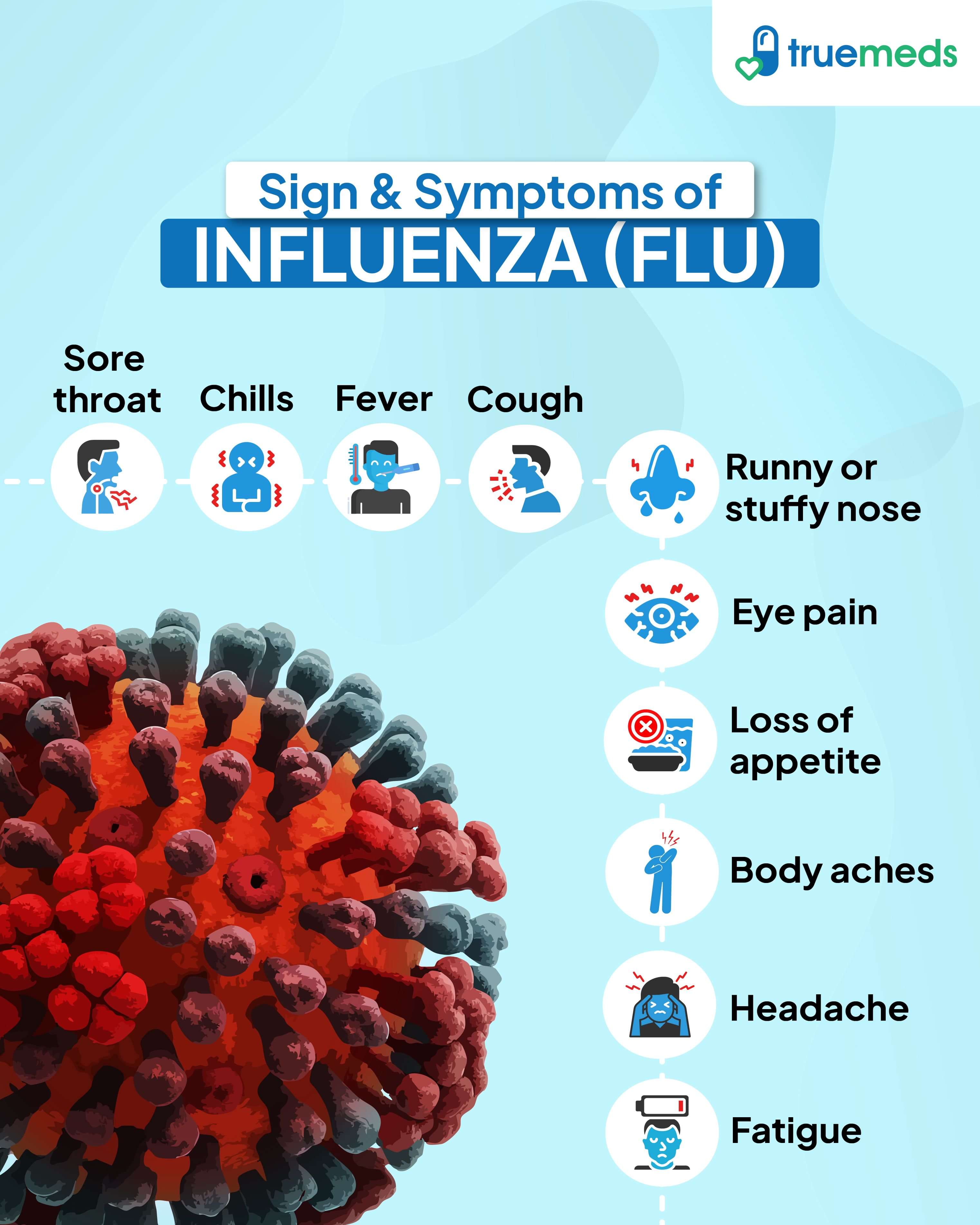
Table of Contents
- Understanding the Flu Shot: Core Concepts and Science
- Biological Mechanism of the Flu Vaccine: Immune Response Activation
- Types of Flu Vaccines: Composition, Administration, and Effectiveness
- Comparison of Flu Vaccine Formulations: Seasonal, High-Dose, and Adjuvanted
- Annual Vaccine Strain Selection: Process and Timeline
- Who Should Get the Flu Shot: Eligibility and Recommendations
- Age-Based Eligibility and Prioritization
- Special Considerations for Pregnant Women
- Egg Allergy Guidelines and Alternative Vaccines
- Immunocompromised Individuals: Tailored Recommendations
- Overlooked High-Risk Groups: A Checklist
- Administration and Logistics of Flu Shot Delivery
- Proper Injection Techniques and Patient Preparation
- Optimal Timing for Flu Vaccination: Seasonal Calendar and Adjustments
- Patient Information Sheet: What to Expect Before, During, and After Vaccination
- Safety, Side Effects, and Myths Debunked
- Comparison of Flu Shot Side Effects and Flu Illness Symptoms
- Debunking Common Flu Shot Myths with Scientific Evidence
- Rare but Serious Adverse Reactions to the Flu Shot
The flu shot remains one of the most effective tools in modern public health, yet its full potential is often undermined by misinformation, logistical gaps, and evolving scientific complexities. This guide dissects the biological foundations of flu vaccination—from antigen-driven immune responses to the annual strain-selection process—while addressing critical questions about eligibility, administration protocols, and safety concerns. By bridging the gap between clinical research and practical application, it equips healthcare providers, policymakers, and individuals with actionable insights to optimize vaccination strategies and debunk persistent myths.
Understanding the flu shot extends beyond mere compliance; it requires a nuanced grasp of virology, immunology, and public health logistics. The document explores how inactivated, recombinant, and live attenuated vaccines differ in composition and efficacy, while highlighting the adaptive challenges posed by viral mutations. It also navigates the ethical and medical considerations for vulnerable populations, including pregnant women, immunocompromised individuals, and those with egg allergies, ensuring tailored recommendations align with the latest evidence-based guidelines.
Understanding the Flu Shot: Core Concepts and Science
The annual influenza vaccination remains one of the most effective preventive measures against seasonal flu, yet its biological mechanisms and variations in formulation often remain misunderstood. The flu vaccine operates through a sophisticated interplay of immunology, virology, and public health coordination. This section explores the scientific foundations of vaccine-induced immunity, the distinct formulations available, and the systematic process governing strain selection to ensure alignment with evolving viral threats.Biological Mechanism of the Flu Vaccine: Immune Response Activation
The flu vaccine triggers an adaptive immune response primarily through the presentation of viral antigens—surface proteins derived from inactivated or attenuated influenza viruses. These antigens, including hemagglutinin (HA) and neuraminidase (NA), are critical for viral entry and replication. Upon vaccination, the immune system recognizes these antigens as foreign and initiates a cascade of responses:- Antigen Presentation: Dendritic cells and macrophages process and present viral antigens to helper T cells via major histocompatibility complex (MHC) class II molecules.
Adjuvants—substances like MF59 (in Fluzone High-Dose) or AS03 (in Pandemrix)—enhance the immune response by promoting antigen persistence and co-stimulatory signals. This is particularly critical for elderly populations, whose immune systems may exhibit immunosenescence (diminished responsiveness to vaccines).
The primary goal of the flu vaccine is to elicit hemagglutination-inhibition (HI) antibodies at titers ≥1:40, correlating with 50% protective efficacy against symptomatic infection.
Types of Flu Vaccines: Composition, Administration, and Effectiveness
Flu vaccines vary in formulation, delivery method, and target populations. The three primary categories differ in their biological source, stability, and immune stimulation profile:-
Inactivated Influenza Vaccines (IIVs)
- Composition: Purified, inactivated whole-virus or split-virus particles grown in embryonated eggs or cell cultures (e.g., Fluzone, Afluria).
- Administration: Intramuscular injection (0.5 mL for adults, 0.25 mL for children 6–35 months).
- Effectiveness: ~40–60% efficacy against matched strains; less effective in elderly due to weaker immune response.
- Key Feature: Safe for immunocompromised individuals and pregnant women.
-
Recombinant Influenza Vaccines (RIVs)
- Composition: HA proteins produced in insect cells (Baculovirus expression system), avoiding egg-derived allergens (e.g., Flublok).
- Administration: Intramuscular (0.5 mL).
- Effectiveness: Comparable to IIVs in clinical trials; preferred for egg-allergic individuals.
- Key Feature: No risk of egg-protein contamination; approved for ages ≥18.
-
Live Attenuated Influenza Vaccines (LAIVs)
- Composition: Weakened virus strains (e.g., FluMist) grown in cold-adapted conditions; replicates in nasal mucosa but not lower respiratory tract.
- Administration: Intranasal spray (0.1 mL per nostril).
- Effectiveness: ~50–70% efficacy in children; variable in adults; not recommended for 2023–2024 season (CDC).
- Key Feature: Induces mucosal immunity (IgA antibodies) and cellular responses; contraindicated in immunocompromised or asthmatic individuals.
Note: LAIVs were discontinued in the U.S. for the 2023–2024 season due to inconsistent efficacy in recent years, pending further research.
Comparison of Flu Vaccine Formulations: Seasonal, High-Dose, and Adjuvanted
The following table summarizes the key differences between standard, high-dose, and adjuvanted flu vaccines, including target populations, dosage, and adverse effects:| Feature | Standard-Dose IIV | High-Dose IIV (e.g., Fluzone High-Dose) | Adjuvanted IIV (e.g., Fluad, Fluzone with Adjuvant) |
|---|---|---|---|
| Target Population | General public ≥6 months | Adults ≥65 years (immunosenescence) | Adults ≥65 years (Europe/Canada); some countries for 18+ with comorbidities |
| Dosage | 15 µg HA per strain (total 45 µg) | 60 µg HA per strain (total 180 µg) | 15 µg HA per strain + adjuvant (MF59/AS03) |
| Mechanism of Enhanced Immunity | Standard antigen load | Higher antigen dose to overcome age-related immune decline | Adjuvant enhances antigen presentation and cytokine response |
| Efficacy vs. Standard IIV | Baseline (40–60%) | ~24% higher protection in ≥65 years (CDC data) | ~22% higher protection in ≥65 years (EU studies) |
| Common Side Effects | Soreness, low-grade fever, myalgia | Increased soreness, fatigue, headache (higher antigen load) | Local redness/swelling, systemic reactions (e.g., malaise) |
| Contraindications | Severe egg allergy (unless RIV used) | None beyond standard IIV | History of severe allergic reaction to adjuvant components |
Annual Vaccine Strain Selection: Process and Timeline
The selection of influenza strains for annual vaccines is a collaborative process led by the World Health Organization (WHO) and national health agencies (e.g., CDC, EMA). The goal is to predict which strains will circulate in the upcoming season based on global surveillance data. The process involves:-
Global Surveillance
- WHO Global Influenza Surveillance and Response System (GISRS) collects viral samples from >130 countries via National Influenza Centers (NICs).
- Data includes antigenic drift (minor mutations in HA/NA) and antigenic shift (major reassortment events, e.g., 2009 H1N1 pandemic).
-
Strain Characterization
- Isolated viruses undergo hemagglutination inhibition (HI) assays and genetic sequencing to assess relatedness to reference strains.
- Antigenic cartography maps viral evolution to identify clusters requiring vaccine representation.
-
Recommendation by WHO
- February of Year N: WHO publishes Northern Hemisphere strain recommendations.
- September of Year N: Southern Hemisphere recommendations are issued.
- Composition: Typically includes two influenza A strains (H1N1, H3N2) and two influenza B strains (B/Victoria, B/Yamagata lineage).
-
Manufacturing and Distribution
- Egg-Based Production (6–9 months):
- Seed strains are sent to manufacturers (e.g., Sanofi, Pfizer, AstraZeneca).
- Viruses are grown in embryonated chicken eggs, purified, and inactivated.
- Cell-Based/RIV Production (4–6 months):
- HA proteins are produced in mammalian or insect cells, reducing
-
Children (6 months to 18 years)
- All children aged 6 months and older are recommended for annual vaccination, regardless of health status.
- Children under 9 years receiving the flu shot for the first time require two doses, spaced 4 weeks apart.
- High-risk subgroups include those with asthma, neurological disorders, or immunosuppression.
-
Adults (19–64 years)
- Recommended for all individuals without contraindications, with emphasis on those with chronic conditions (e.g., diabetes, heart/lung disease).
- Occupational groups (e.g., healthcare workers, educators) are prioritized due to higher exposure risks.
- Pregnant individuals fall under this category but require additional considerations (detailed below).
-
Seniors (65 years and older)
- High-priority group due to weakened immune systems and higher complication rates (e.g., pneumonia, cardiovascular events).
- Recommended to receive the high-dose or adjuvanted flu vaccine for enhanced immunogenicity.
- Long-term care facility residents are strongly advised to vaccinate to prevent institutional outbreaks.
- Severe egg allergy with anaphylaxis: Requires medical supervision or alternative vaccines (e.g., recombinant or cell-based).
- Guillain-Barré Syndrome (GBS) history: No absolute contraindication, but shared decision-making with a healthcare provider is advised.
- Current illness with fever: Defer vaccination until symptoms resolve.
- Recombinant (e.g., Flublok®): Produced in insect cells, egg-free.
- Cell-based (e.g., Flucelvax®): Grown in mammalian cells, trace egg protein possible.
- May have reduced antibody response; higher-dose or adjuvanted vaccines may be considered.
- Live attenuated vaccines (e.g., FluMist®) are contraindicated due to potential viral replication risks.
- Close contacts (e.g., household members) should also vaccinate to minimize exposure.
- HIV Patients: Vaccination is recommended regardless of CD4 count, with priority given to those with uncontrolled viral loads or comorbidities.
- Cancer Survivors: Timing of vaccination relative to chemotherapy or immunotherapy requires coordination with oncologists to avoid immune suppression periods.
- Post-Transplant Recipients: Vaccination is advised 3–6 months post-transplant, with serological testing to confirm response.
-
Caregivers (Informal and Professional)
- Exposed to multiple vulnerable individuals (e.g., elderly parents, disabled dependents) without personal protective equipment (PPE).
- High transmission risk due to frequent close contact; vaccination reduces household spread.
-
First Responders (Police, Firefighters, EMS)
- Frequent exposure to biohazards, including respiratory pathogens, during emergencies.
- Stress and sleep deprivation may impair immune response, increasing susceptibility.
-
Individuals in Long-Term Care Facilities (Residents and Staff)
- Institutional outbreaks can lead to rapid transmission among frail populations.
- Staff turnover and shared living spaces exacerbate risk; vaccination rates should exceed 90%.
-
Essential Workers (e.g., Grocery Store Employees, Public Transit Operators)
- Constant public interaction increases exposure to unvaccinated individuals.
- Limited access to sick leave may delay medical care for symptoms.
-
Individuals with Obesity (BMI ≥ 40)
- Obesity is an independent risk factor for severe flu, linked to cytokine storms and pulmonary complications.
- Often overlooked in campaigns targeting "chronic conditions"

Administration and Logistics of Flu Shot Delivery
The successful implementation of flu vaccination programs depends on precise administration techniques, strategic timing, and efficient logistical coordination. Healthcare providers must adhere to standardized protocols to ensure safety, efficacy, and patient comfort while navigating seasonal demand, resource allocation, and public health priorities. Proper injection techniques, optimal vaccination windows, and clear patient communication reduce barriers to uptake and minimize complications. Additionally, leveraging diverse distribution channels—such as pharmacies, clinics, and workplace programs—enhances accessibility, particularly for underserved populations.
Proper Injection Techniques and Patient Preparation
Injection Sites and Needle Selection
The flu vaccine is administered intramuscularly to ensure rapid absorption and immune response. The deltoid muscle (upper arm) is the preferred site for adults and children aged ≥18 months due to its larger muscle mass and reduced risk of nerve injury. For infants and young children (<18 months) or individuals with limited deltoid accessibility (e.g., obese patients or those with mobility impairments), the anterolateral thigh is the recommended alternative. Needle size should align with patient age and body composition:
- Adults and adolescents (≥18 years): 1-inch (25 mm) needle, 22–25 gauge.
- Children (6–17 months): 1-inch (25 mm) needle, 22–25 gauge.
- Infants (6–35 months): 5/8-inch (16 mm) needle, 22–25 gauge.
Technique for Minimizing Pain and Discomfort
Pain perception during vaccination can deter future compliance, particularly among pediatric and anxious patients. Healthcare providers should employ the following evidence-based techniques:
- Anatomical Landmarking: Palpate the injection site to identify muscle tissue and avoid subcutaneous fat or bony structures. For the deltoid, locate the acromion process and inject 2–3 finger-widths below it.
- Needle Insertion Angle: A 90-degree angle ensures intramuscular deposition. For patients with limited muscle mass, a slight adjustment (e.g., 45 degrees for the anterolateral thigh) may be necessary.
- Distraction and Communication: Use age-appropriate distraction techniques (e.g., deep breathing, counting, or visual engagement) and explain the process briefly to reduce anxiety. For children, involving parents in the distraction can improve tolerance.
- Slow Injection Rate: Administer the vaccine over 5–10 seconds to minimize tissue trauma and pain perception.
- Topical Anesthetics: For pediatric patients or those with needle phobia, apply a topical lidocaine patch 30–60 minutes pre-vaccination.
Safety Checks Before Injection
- Verify the vaccine vial is not expired and has been stored at 2–8°C (35–46°F).
- Confirm the correct dose volume (0.5 mL for standard flu shots).
- Check for visual abnormalities (e.g., discoloration, particulate matter) that may indicate contamination.
- Use a new, sterile needle and syringe for each patient to prevent cross-contamination.
Optimal Timing for Flu Vaccination: Seasonal Calendar and Adjustments
The Centers for Disease Control and Prevention (CDC) recommends vaccinating individuals by early October, ideally before flu activity peaks. However, vaccination should continue throughout the season, as late arrivals still provide protection. Below is a calendar-based guide for healthcare providers to align vaccination efforts with epidemiological trends:
Key Considerations for Timing:Timeframe Vaccination Priority Key Actions Adjustments for Late Arrivals July–Early September High-risk groups (e.g., elderly, pregnant women, chronic conditions) - Distribute vaccines to clinics, pharmacies, and long-term care facilities.
- Launch targeted outreach (e.g., mailers, telehealth reminders) to priority populations.
- Train staff on injection techniques and patient education.
If demand exceeds supply, prioritize high-risk individuals first. Early October–November General population (including healthy adults and children ≥6 months) - Expand vaccination sites (e.g., workplace programs, schools).
- Monitor flu activity via CDC’s FluView reports to adjust timing.
- Offer weekend/evening hours to accommodate working populations.
If flu activity is detected early, accelerate vaccination of close contacts (e.g., healthcare workers, caregivers). December–February Late vaccinations (focus on unvaccinated high-risk individuals) - Promote vaccination through public service announcements and social media.
- Partner with community health workers to reach underserved groups.
- Ensure vaccine availability in urgent care and retail clinics.
Vaccinate even if flu season has begun; protection develops within 2 weeks. March–April Catch-up and second doses (e.g., high-dose or adjuvanted vaccines) - Target populations with waning immunity (e.g., elderly, immunocompromised).
- Use leftover vaccines for healthcare workers and first responders.
Discontinue vaccination once flu activity declines significantly.
- Vaccine Efficacy Onset: Protection begins 2 weeks post-vaccination; thus, early vaccination ensures immunity before peak flu season (typically December–February in the Northern Hemisphere).
- Vaccine Supply Constraints: Delays in manufacturing or distribution may necessitate staggered rollouts. Providers should register for CDC’s Vaccines for Children (VFC) program or state-specific allocations.
- Influenza Strain Mismatches: Annual updates to the vaccine composition may require re-vaccination for optimal strain coverage. Monitor CDC’s Antigenic Characterization Reports for adjustments.
Patient Information Sheet: What to Expect Before, During, and After Vaccination
Clear communication reduces vaccine hesitancy and prepares patients for potential side effects. Below is a template for a patient information sheet, formatted for readability and compliance with CDC guidelines:
Flu Vaccination: A Guide for Patients
Before Your Vaccination:
- Inform your healthcare provider about:
- Allergies (e.g., eggs, gelatin, or previous vaccine reactions).
- Current medications (e.g., anticoagulants, immunosuppressants).
- Recent illnesses (e.g., fever, acute respiratory infection).
- Wear a short-sleeved shirt or easily accessible clothing for the injection.
- Bring your vaccination record if receiving a flu shot annually.
During the Vaccination:
- The vaccine will be administered as a single injection into your upper arm or thigh.
- A healthcare provider will:
- Clean the injection site with an alcohol swab.
- Use a new, sterile needle and syringe for your safety.
- Insert the needle quickly and administer the vaccine over 5–10 seconds.
- You may feel a brief sting or pressure, but the needle will be removed immediately.
After the Vaccination:
- Common Side Effects (usually mild and short-lived):
- Soreness, redness, or swelling at the injection site.
- Low-grade fever (<100.4°F/38°C).
- Headache, fatigue, or muscle aches.
- Serious allergic reactions (anaphylaxis) are rare but require immediate attention. Signs include:
- Mild pain/swelling at injection site (90% of cases)
- Low-grade fever (<100.4°F/38°C, <1% of cases)
- Fatigue or headache (lasting <48 hours)
- High fever (>100.4°F/38°C, lasting 3–5 days)
- Body aches, chills, and exhaustion (systemic)
- Cough, sore throat, and congestion (persistent)
- The injectable flu shot contains inactivated influenza viruses or recombinant proteins, incapable of causing infection (CDC, 2023).
- The nasal spray vaccine (LAIV) uses a live, attenuated virus, but it is temperature-sensitive and cannot replicate efficiently in humans, producing only mild, non-transmissible symptoms in rare cases (Osterholm et al., 2012).
- A 2018 meta-analysis in Vaccine found no increased risk of influenza-like illness in vaccinated individuals compared to unvaccinated controls.
- Annual updates to the vaccine are based on global surveillance (WHO’s Global Influenza Surveillance and Response System) and predictive modeling to match circulating strains (CDC, 2023).
- Studies show the flu shot reduces flu-related hospitalizations by 40–60% and deaths by 39–75% in high-risk groups (CDC, 2022).
- Mismatch years (e.g., 2014–2015) still demonstrated reduced severity of illness, even if strain coverage was low (Cowling et al., 2015, The Lancet Infectious Diseases).
- Natural infection carries risks of complications (pneumonia, myocarditis) and long-term sequelae (e.g., post-viral fatigue) (WHO, 2021).
- Vaccine-induced immunity is safer and more predictable, with no risk of severe disease (Fiore et al., 2010, Clinical Infectious Diseases).
- Herd immunity is achieved more effectively through vaccination, as infected individuals may spread the virus before symptoms appear.
- Universal vaccination is recommended for all individuals aged ≥6 months, with priority for:
- High-risk groups (e.g., chronic conditions, immunocompromised, pregnant women).
- Healthcare workers (to reduce nosocomial transmission).
- Children 6 months–18 years (to prevent spread in schools).
- CDC data (2022) shows vaccination in healthy adults reduces flu-related absenteeism by 43%.
- Anaphylaxis: <1 case per 1 million doses (CDC VAERS data).
- Guillain-Barré Syndrome (GBS): 1–2 extra cases per 1 million doses (post-2009 H1N1 vaccine; baseline risk is 1–2 cases per 100,000 persons/year).
- Thrombocytopenia: <1 case per 1 million doses (more common in individuals with pre-existing autoimmune disorders).
- Neurological events (e.g., encephalitis): <1 case per 1 million doses (often coincidental rather than causal).
- Pre-existing autoimmune conditions (e.g., lupus, rheumatoid arthritis).
- History of egg allergy (for egg-based vaccines; recombinant/cell-based vaccines are alternatives).
- Immunocompromised status (e.g., HIV, chemotherapy).
- Age extremes (infants <6 months, elderly >65 years).
- Assess for contraindications (e.g., severe egg allergy for standard flu shots).
- Review medical history for prior adverse reactions to vaccines. 2. Post-Vaccination Observation:
- First 15–30 minutes for signs of anaphylaxis (e.g., difficulty
From the laboratory bench to community clinics, the flu shot’s impact hinges on informed decision-making at every stage—whether selecting the right vaccine strain, administering it correctly, or addressing safety concerns transparently. This guide has illuminated the science behind vaccination, clarified eligibility criteria through structured frameworks, and provided tools to monitor outcomes and mitigate risks. As flu seasons evolve, so too must our approaches to vaccination, balancing innovation with accessibility. By leveraging these insights, stakeholders can foster greater trust in flu prevention, reduce preventable illnesses, and ultimately strengthen collective resilience against seasonal influenza.
Safety, Side Effects, and Myths Debunked
The flu shot is a cornerstone of public health strategy, yet misconceptions about its safety, efficacy, and side effects persist. Understanding the distinction between expected post-vaccination reactions and flu illness symptoms is critical for informed decision-making. This section clarifies the scientific basis behind common concerns, provides evidence-based comparisons, and outlines protocols for monitoring and reporting adverse events. Data from regulatory agencies (e.g., CDC, FDA, WHO) and peer-reviewed studies support the safety profile of annual influenza vaccination, while transparency about rare risks ensures healthcare providers and the public can make evidence-based choices.
Comparison of Flu Shot Side Effects and Flu Illness Symptoms
Post-vaccination reactions are typically mild, localized, and short-lived, whereas flu illness symptoms are systemic, severe, and prolonged. The following table contrasts common side effects of the flu shot with typical influenza symptoms, emphasizing differences in duration, severity, and impact on daily functioning.
Source: CDC. (2023). Key Facts About Seasonal Flu Vaccine. Centers for Disease Control and Prevention.Category Flu Shot Side Effects (Mild/Common) Flu Illness Symptoms (Moderate/Severe) Key Differences Onset 1–2 days post-vaccination 1–4 days after infection Vaccine reactions are immediate; flu symptoms develop after viral exposure. Duration 1–2 days (e.g., soreness lasts <72 hours) 1–2 weeks (or longer in severe cases) Side effects resolve quickly; flu symptoms persist significantly longer. Severity Flu symptoms are systemic and debilitating; vaccine reactions are localized and non-debilitating. Transmissibility None (vaccine contains inactivated virus or proteins) Highly contagious (spreads via respiratory droplets) Vaccination cannot cause illness in others; flu is a communicable disease. Medical Attention Required Rarely (only for severe allergic reactions) Common in high-risk groups (e.g., hospitalization for pneumonia) Flu requires medical intervention in vulnerable populations; vaccine side effects are self-limiting.
Note: Severe allergic reactions (e.g., anaphylaxis) to the flu shot occur in <1 per million doses (CDC, 2022).
Debunking Common Flu Shot Myths with Scientific Evidence
Misconceptions about the flu shot often stem from misunderstandings of vaccine mechanisms, viral behavior, or anecdotal reports. Below are evidence-based refutations of prevalent myths, supported by peer-reviewed studies and expert consensus.
"The flu shot can give you the flu."
Evidence:
"The flu shot isn’t effective because the flu strain changes."
Evidence:
"Natural immunity from getting the flu is stronger than the vaccine."
Evidence:
"The flu shot is only for the elderly."
Evidence:
Key Reference:
Osterholm, M. T., et al. (2012). The New England Journal of Medicine, 367(1), 79–81.
CDC. (2023). General Best Practice Guidelines for Immunization.
Rare but Serious Adverse Reactions to the Flu Shot
While the flu shot is one of the safest vaccines available, rare adverse events require vigilance, particularly in high-risk populations. Below are serious but extremely uncommon reactions, their incidence rates, risk factors, and monitoring protocols.Incidence Data (U.S. Population, 2010–2022):
Risk Factors for Serious Adverse Events:
Monitoring and Reporting Protocols for Healthcare Providers:
1. Pre-Vaccination Screening:
Who Should Get the Flu Shot: Eligibility and Recommendations
Annual influenza vaccination is a cornerstone of public health strategy, targeting high-risk populations to mitigate severe outcomes, hospitalizations, and mortality. The Centers for Disease Control and Prevention (CDC) and the World Health Organization (WHO) provide standardized guidelines categorizing eligibility based on age, underlying health conditions, occupational exposure, and special circumstances. These recommendations are dynamic, incorporating emerging data on vaccine efficacy, viral strain mutations, and population-specific risks. Below is a structured breakdown of eligibility, including high-risk groups often underrepresented in public health messaging.Age-Based Eligibility and Prioritization
Age significantly influences flu shot recommendations due to variations in immune response, susceptibility to complications, and transmission dynamics. The following flowchart categorizes age groups with corresponding prioritization levels:Special Considerations for Pregnant Women
Pregnancy alters immune response and increases susceptibility to severe influenza complications, including preterm labor and maternal mortality. The flu shot is safe and beneficial during all trimesters, with protection extending to infants through passive immunity via placental antibodies.Mechanism of Protection: Vaccination during pregnancy reduces the risk of flu-related hospitalization by up to 40% in mothers and confers passive immunity to infants for 3–6 months post-birth, during their most vulnerable period.
Data Insight: A 2020 study in Obstetrics & Gynecology found that vaccinated pregnant women had a 72% lower risk of flu-related intensive care unit (ICU) admission compared to unvaccinated counterparts.
Egg Allergy Guidelines and Alternative Vaccines
Influenza vaccines are traditionally produced in egg-based systems, posing risks for individuals with allergies. The CDC differentiates between mild and severe reactions to inform safe vaccination practices.| Reaction Severity | Recommendation | Alternative Vaccines |
|---|---|---|
| Mild (e.g., hives, rash) | Vaccination in a healthcare setting with provider observation for 30 minutes post-administration. | Standard egg-based vaccine (e.g., Fluzone®). |
| Severe (e.g., anaphylaxis, respiratory distress) | Vaccination in an inpatient or outpatient setting with allergist supervision; epinephrine available. |
Immunocompromised Individuals: Tailored Recommendations
Immunocompromised individuals—including those with HIV, cancer, or undergoing immunosuppressive therapy—face elevated risks of flu-related morbidity and mortality. Vaccination guidelines for this group emphasize additional precautions and monitoring.Key Differences from General Population:
Monitoring: Immunocompromised individuals should report adverse reactions promptly, as fever or myalgia may indicate vaccine-associated risks or underlying infection.
Leave a Comment
Comments are moderated before appearing. The data you submit is processed according to the Privacy Policy of ir.msu.ac.zw.