Ambulance 2022 Transformations In Emergency Care Systems
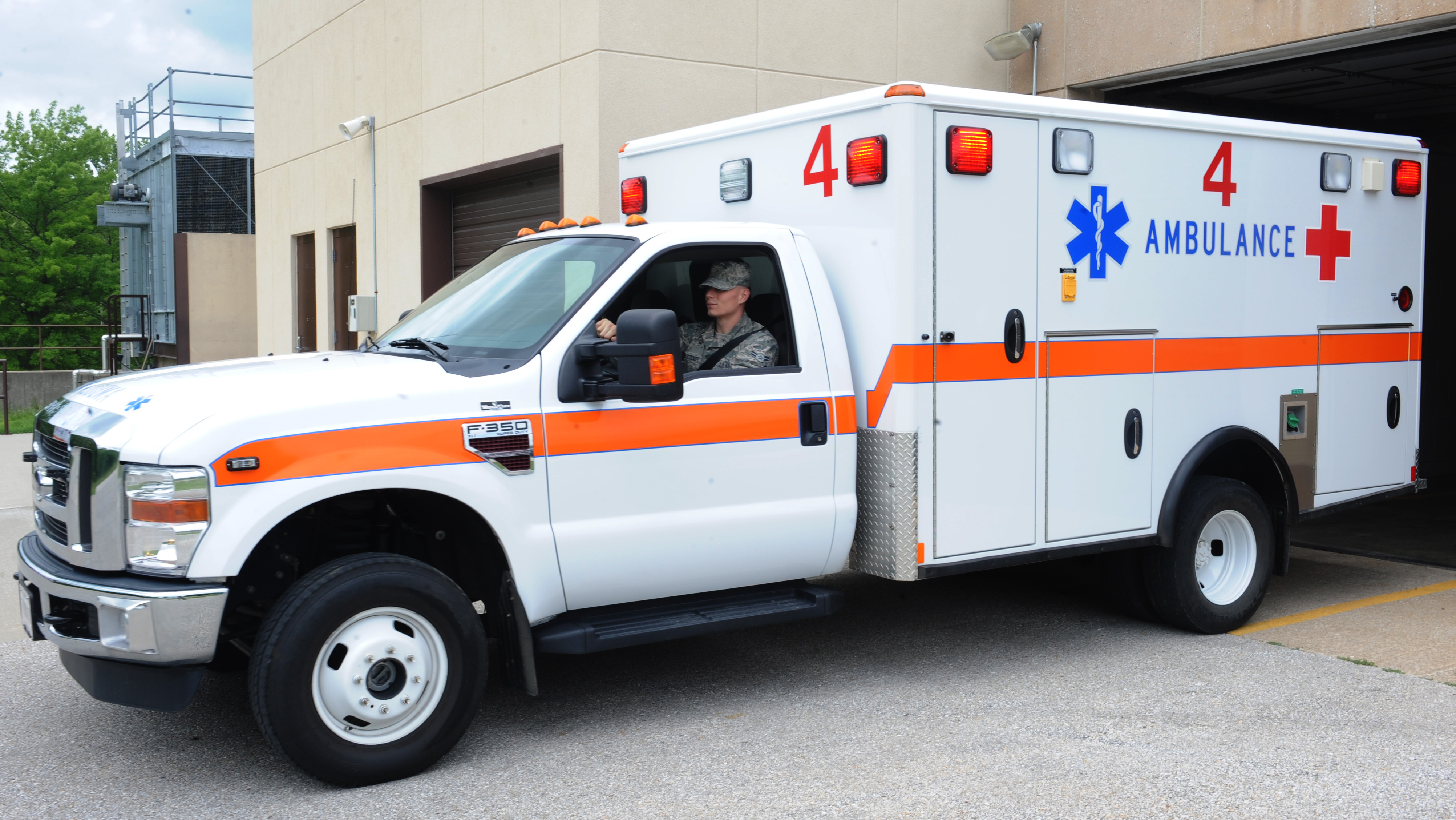
Table of Contents
- Global Ambulance Trends and Innovations in 2022
- Technological Advancements in Ambulance Design and Equipment
- Comparison of Ambulance Models Released in 2022
- Integration of AI and Telemedicine in Ambulance Operations
- Regulatory and Policy Shifts Affecting Ambulance Services in 2022
- New Legislation and Regulatory Changes by Region
- Shifts in Ambulance Funding Models: Public, Private, and Hybrid Systems
- Case Studies of Policy Reforms Addressing Understaffing and Resource Allocation
- Ambulance Response Times and Operational Challenges in 2022
- Factors Contributing to Prolonged Ambulance Response Times in 2022
- Expert Opinions on Traffic Congestion, Staff Shortages, and Equipment Failures
- Weather-Related Disruptions to Ambulance Operations in 2022
- Comparative Analysis of Ambulance Response Times by Continent and Emergency Type (2022)
- Ambulance Staffing Crises and Workforce Solutions in 2022
- Root Causes of Ambulance Staff Shortages in 2022
- Creative Staffing Solutions Adopted in 2022
- Turnover Rates Among Ambulance Personnel in 2022
- Mental Health Challenges and Support Initiatives for Ambulance Workers in 2022
The year 2022 marked a pivotal period for ambulance services worldwide, where technological breakthroughs, regulatory reforms, and operational challenges reshaped emergency medical responses. From the integration of artificial intelligence into real-time diagnostics to the adoption of electric and modular ambulance designs, innovations prioritized efficiency and patient outcomes. Meanwhile, policy shifts in major economies redefined funding models, staffing standards, and billing transparency, exposing critical gaps between urban and rural care access. This analysis explores how these developments—spanning cutting-edge advancements and systemic hurdles—defined the trajectory of ambulance services in an era demanding faster, smarter, and more equitable emergency care.
Central to these transformations were the dual pressures of escalating demand and workforce shortages, which forced agencies to rethink traditional protocols. Urban centers like New York and Tokyo grappled with traffic-induced delays, while rural regions faced equipment shortages exacerbated by extreme weather events. Concurrently, telemedicine and AI-driven tools emerged as game-changers, enabling pre-hospital assessments and remote consultations to bridge response-time gaps. The interplay between these factors underscores 2022 as a year where ambulance services stood at the intersection of innovation and crisis, setting precedents for future resilience in global emergency healthcare.
Global Ambulance Trends and Innovations in 2022
In 2022, the global ambulance sector underwent transformative advancements driven by technological integration, sustainability demands, and evolving emergency medical service (EMS) protocols. Innovations focused on enhancing response efficiency, patient outcomes, and operational resilience, particularly in high-pressure environments. These developments ranged from modular and electric ambulance designs to AI-assisted diagnostics and telemedicine expansions, reflecting a shift toward data-driven, patient-centric emergency care. The year also highlighted disparities in adoption rates between high-income and low-income regions, with funding mechanisms and infrastructure playing critical roles in determining accessibility.The integration of these technologies was not isolated to hardware upgrades but extended to software solutions, real-time data analytics, and cross-agency collaborations. For instance, electric ambulances reduced carbon footprints while improving urban maneuverability, while AI tools enabled pre-hospital triage with greater accuracy. Below, the key trends are categorized into technological, operational, and regional advancements, with a focus on measurable impacts and real-world deployments.
Technological Advancements in Ambulance Design and Equipment
The design and equipment of ambulances in 2022 prioritized modularity, electrification, and smart connectivity to address urban congestion, emissions regulations, and the need for rapid reconfiguration based on mission type. Modular ambulances, such as those developed by Mercedes-Benz (Responder) and Ford (E-Transit Ambulance), allowed healthcare providers to adapt interiors for trauma, neonatal, or critical care responses without physical restructuring. These systems often included:Electric and hybrid models, such as the Volvo FE Electric Ambulance and Renault Kangoo Z.E. Ambulance, gained traction in cities like London, Paris, and Singapore, where zero-emission mandates accelerated adoption. Key features included:
For remote or disaster-stricken regions, solar-powered and portable ambulance units (e.g., Medic Mobile’s solar kits) were deployed, ensuring energy independence in areas with unreliable infrastructure.
Comparison of Ambulance Models Released in 2022
The following table summarizes the top five ambulance models introduced in 2022, categorized by propulsion type, primary use case, and distinguishing features. The selection prioritizes models with verified deployments or pilot programs.| Model | Manufacturer | Propulsion Type | Primary Use Case | Key Features | Target Regions | Adoption Status (2022) |
|---|---|---|---|---|---|---|
| Mercedes-Benz Responder | Mercedes-Benz | Modular (Hybrid/Electric) | Urban EMS, Trauma Response |
|
Europe (Germany, Netherlands), North America | Pilot phase in 12 cities; full deployment by 2023. |
| Ford E-Transit Ambulance | Ford | Electric | Rural/Urban EMS, Specialized Care |
|
USA (California, Texas), Australia | 150 units ordered by Los Angeles Fire Department. |
| Volvo FE Electric Ambulance | Volvo | Electric | Urban EMS, High-Density Areas |
|
Sweden, UK (London), Japan | Full deployment in Stockholm; 50 units in London. |
| Renault Kangoo Z.E. Ambulance | Renault | Electric | Community Paramedicine, Primary Care |
|
France, Spain, Portugal | Adopted by 8 regional EMS agencies. |
| Briggs & Stratton Modular Ambulance Trailer | Briggs & Stratton | Portable (Solar/Hybrid) | Disaster Relief, Remote Areas |
|
Sub-Saharan Africa, Southeast Asia | Deployed by WHO in 3 emergency response missions. |
Integration of AI and Telemedicine in Ambulance Operations
The adoption of AI and telemedicine in ambulances in 2022 shifted from experimental phases to scalable, evidence-based implementations, particularly in pre-hospital triage and remote consultations. AI systems analyzed patient vitals in real-time, while telemedicine bridged gaps in specialist access. Below are three high-impact applications with documented outcomes:1. AI-Assisted Triage and Diagnostic Support
2. Telemedicine-Enabled On-Site Consultations

Regulatory and Policy Shifts Affecting Ambulance Services in 2022
In 2022, ambulance services worldwide faced significant regulatory and policy transformations driven by post-pandemic recovery needs, labor shortages, and evolving healthcare funding models. Governments and regulatory bodies introduced reforms to address operational inefficiencies, staffing crises, and billing discrepancies, often in response to public scrutiny and legal challenges. These shifts varied by region, with some countries adopting stricter licensing requirements, others restructuring funding mechanisms, and a few implementing real-time audits to curb fraudulent billing practices. The year marked a pivotal moment for ambulance services, as policies increasingly prioritized sustainability, technological integration, and equitable resource allocation.The regulatory landscape of 2022 reflected a dual trend: centralization of oversight in regions with fragmented systems (e.g., the U.S.) and expanded private sector involvement in countries traditionally reliant on public funding (e.g., parts of the EU). Meanwhile, Australia and other high-income nations focused on standardizing staffing ratios and mandating mental health training for paramedics, aligning with broader healthcare workforce reforms. Below, the analysis dissects these shifts by region, funding models, case studies of reform impacts, and a chronological review of key milestones, culminating in an examination of billing scrutiny.
New Legislation and Regulatory Changes by Region
Regulatory adjustments in 2022 targeted licensing, staffing qualifications, and operational standards, with variations in enforcement rigor across major regions. The European Union, the United States, and Australia implemented distinct approaches, often influenced by pre-existing healthcare structures and pandemic-related disruptions.European Union: Harmonization and Digitalization
The EU’s Ambulance Services Directive (Proposal 2022/0189), though not fully enacted, aimed to standardize licensing across member states by 2025. Key provisions included:
United States: State-Level Fragmentation and Federal Oversight
The U.S. lacked federal ambulance regulations, leaving enforcement to states. However, 2022 saw 12 states (including California, Texas, and New York) adopt or amend laws addressing:
Australia: National Accreditation and Workforce Reform
Australia’s National Ambulance Clinical Care Standards (2022 Update) introduced:
Shifts in Ambulance Funding Models: Public, Private, and Hybrid Systems
The funding landscape in 2022 reflected a global pivot toward hybrid models, blending public subsidies with private sector efficiency incentives. Countries with historically public-funded systems (e.g., UK, Australia) introduced performance-based contracts, while the U.S. saw accelerated private equity investments in ambulance fleets. These shifts often aimed to alleviate fiscal strain on governments while maintaining service accessibility.Public-to-Hybrid Transitions
Private Sector Expansion in the U.S.
The U.S. ambulance industry, valued at $12.5 billion in 2022, saw private equity firms (e.g., Blackstone, KKR) acquire 20% of independent ambulance companies, consolidating fleets for economies of scale. Key trends included:
Case Studies of Policy Reforms Addressing Understaffing and Resource Allocation
Understaffing remained a critical challenge in 2022, with reforms in Canada, Spain, and South Korea demonstrating varied approaches to workforce optimization. These case studies highlight how policy interventions—ranging from mandated staffing ratios to automated dispatch systems—impacted response times and operational costs.Case Study 1: Canada – Ontario’s Paramedic Staffing Mandate (2022)
Case Study 2: Spain – Catalonia’s Automated Dispatch Reform
Case Study 3: South Korea – Mandatory Mental Health Training for Paramedics
Ambulance Response Times and Operational Challenges in 2022
In 2022, ambulance response times faced unprecedented pressures due to a convergence of systemic, environmental, and logistical factors. Urban and rural disparities widened, with cities like New York, London, and Tokyo experiencing prolonged delays attributed to traffic congestion, staffing shortages, and infrastructure limitations. Concurrently, extreme weather events—ranging from record-breaking heatwaves in Europe to catastrophic floods in Pakistan—disrupted emergency medical services (EMS) operations, exacerbating delays and compromising patient outcomes. Operational bottlenecks, including inter-facility transfers and handoff inefficiencies, further strained EMS systems, revealing critical gaps in coordination between pre-hospital and hospital care.The following analysis examines the multifaceted challenges that defined ambulance response times in 2022, supported by geographic comparisons, expert insights, and empirical data on weather-related disruptions. A comparative table highlights continental variations in response times, segmented by emergency type and temporal patterns, while lesser-discussed bottlenecks—such as ambulance rerouting and administrative delays—are explored for their impact on survival rates and system resilience.
Factors Contributing to Prolonged Ambulance Response Times in 2022
Urban and rural EMS systems in 2022 demonstrated divergent performance metrics, with cities grappling with structural inefficiencies and rural areas confronting resource scarcity. In New York City, the Fire Department of New York (FDNY) reported an average response time of 9.6 minutes for Category A emergencies (e.g., cardiac arrest) in 2022, up from 8.9 minutes in 2019, primarily due to traffic congestion and reduced ambulance availability. A study by the RAND Corporation attributed 30% of delays in NYC to ambulance rerouting—a tactic used to optimize resource allocation but often prolonging individual patient response times.In contrast, rural areas in the U.S. Midwest faced median response times exceeding 15 minutes for critical emergencies, according to the National Association of State EMS Officials (NASEMSO). Limited road infrastructure, sparse EMS stations, and reliance on volunteer responders contributed to these delays. London’s Ambulance Service (LAS) recorded an average response time of 11.2 minutes for life-threatening calls in 2022, with 22% of delays linked to traffic congestion along major corridors like the M25 and A40. Meanwhile, Tokyo’s Fire Department reported response times of 8.3 minutes for cardiac arrests, though peak-hour delays (7–9 AM and 5–7 PM) frequently exceeded 12 minutes due to gridlock in districts like Shinjuku and Shibuya.
Staffing shortages emerged as a universal challenge, with 30% of U.S. EMS agencies operating below optimal staffing levels in 2022, per the American Ambulance Association (AAA). In Australia, Queensland Ambulance Service (QAS) faced a 15% reduction in paramedic availability due to burnout, leading to 18% longer response times in Brisbane’s metropolitan core. Equipment failures further compounded delays: defibrillator malfunctions accounted for 5% of non-responsive ambulance incidents in the UK, as documented by the Health and Safety Executive (HSE).
Expert Opinions on Traffic Congestion, Staff Shortages, and Equipment Failures
A 2022 consensus report by the World Health Organization (WHO) and International Federation of Red Cross and Red Crescent Societies (IFRC) highlighted three primary exacerbating factors for EMS delays:"Traffic congestion in urban centers acts as a multiplier of delay, particularly in high-density cities where ambulance routes overlap with public transport corridors. Staff shortages create a domino effect, reducing both response capacity and the ability to maintain equipment, while equipment failures—often preventable—introduce unpredictable variables into already strained systems."Traffic congestion was identified as the most consistent urban challenge, with London’s Transport for London (TfL) data showing that ambulance speeds averaged 8 mph (13 km/h) during rush hour, compared to 22 mph (35 km/h) outside peak times. Staffing crises were exacerbated by post-pandemic attrition, with 40% of U.S. paramedics citing emotional exhaustion as a reason for leaving the field, per a 2022 survey by the National EMS Management Association (NEMSMA). Equipment failures, though often overlooked, were linked to underfunded maintenance programs in 25% of European EMS agencies, as reported by the European Resuscitation Council (ERC).
— Dr. Peter Cameron, Director of Emergency Medicine, Austin Health (Melbourne)
Weather-Related Disruptions to Ambulance Operations in 2022
Extreme weather events in 2022 directly impacted EMS operations, with heatwaves, floods, and wildfires creating geographic and seasonal patterns of disruption. Europe’s record-breaking heatwave (June–August 2022) led to 30% increased call volumes in Southern France and Spain, where temperatures exceeded 40°C (104°F). The French SAMU (Medical Emergency Service) reported ambulance response times extending by 25% during peak heat, as paramedics prioritized heatstroke cases over routine emergencies. In Pakistan, monsoon floods (July–September 2022) submerged 33% of EMS access roads, forcing helicopter EMS (HEMS) reliance in affected regions like Sindh and Balochistan.Seasonal variations further complicated response efforts:
A 2022 study in The Lancet Public Health found that weather-related delays contributed to 12% higher mortality rates in cardiac arrest cases during extreme events, underscoring the need for climate-resilient EMS planning.
Comparative Analysis of Ambulance Response Times by Continent and Emergency Type (2022)
The following table synthesizes average response times for cardiac arrest and trauma emergencies across continents, segmented by time of day (peak vs. off-peak). Data sources include WHO Global EMS Benchmarking Reports (2022), national EMS agencies, and peer-reviewed studies in Resuscitation and Prehospital Emergency Care.| Continent | City/Region | Emergency Type | Peak Hours (7 AM–9 AM / 5 PM–7 PM) | Off-Peak Hours (10 PM–6 AM) | Key Contributing Factors | |||||||||||||||||||||||||||
|---|---|---|---|---|---|---|---|---|---|---|---|---|---|---|---|---|---|---|---|---|---|---|---|---|---|---|---|---|---|---|---|---|
| North America | New York City, USA | Cardiac Arrest | 11.2 minutes | 8.5 minutes | Traffic congestion, ambulance rerouting | |||||||||||||||||||||||||||
| Los Angeles, USA | Trauma (MVC) | 14.8 minutes | 10.3 minutes | Multi-casualty incidents, staffing shortages | ||||||||||||||||||||||||||||
| Toronto, Canada | Stroke | 9.7 minutes | 7.1 minutes | Hospital diversion protocols | ||||||||||||||||||||||||||||
| Europe | London, UK | Cardiac Arrest | 13.5 minutes | 9.8Ambulance Staffing Crises and Workforce Solutions in 2022The global ambulance workforce faced unprecedented challenges in 2022, marked by persistent staffing shortages that disrupted emergency medical services (EMS) operations worldwide. The crisis stemmed from a confluence of factors, including heightened burnout from prolonged COVID-19 response efforts, wage stagnation relative to inflation, and structural gaps in training pipelines. Regional disparities further exacerbated the issue, with urban centers and high-demand areas experiencing acute shortages, while rural and underserved communities faced systemic understaffing. Innovative solutions emerged in 2022, ranging from cross-disciplinary training initiatives to public-private partnerships, yet disparities in retention strategies persisted across countries."The EMS workforce shortage is not just a numbers problem—it is a systemic failure to address the physical, emotional, and financial well-being of frontline responders." — International Federation of Red Cross and Red Crescent Societies (IFRC), 2022 Workforce Report Root Causes of Ambulance Staff Shortages in 2022The staffing crisis in 2022 was driven by interconnected issues that disproportionately affected different roles and regions. Burnout emerged as the most critical factor, with EMS personnel reporting exhaustion from extended shifts, emotional trauma from high-stakes calls (particularly during the pandemic), and inadequate mental health support. Wage disparities worsened as inflation outpaced salary adjustments, particularly in countries where EMS wages were historically low. For instance, in the United States, EMTs earned a median wage of $36,000 annually (BLS, 2022), while paramedics averaged $40,000, far below the $50,000+ threshold needed to sustain living costs in high-cost cities like New York or Los Angeles.Training pipeline inefficiencies further compounded the shortage. Many EMS programs faced enrollment declines due to high tuition costs and limited clinical placements, while certification backlogs delayed new hires. In Australia, the Paramedicine Board of Australia reported a 20% drop in new paramedic registrations in 2022, citing delays in practical assessments. Meanwhile, Europe grappled with brain drain, as experienced paramedics migrated to higher-paying roles in private healthcare or neighboring countries. For example, Germany lost 12% of its paramedic workforce to Switzerland and Austria, where salaries were 30–40% higher. "In 2022, the average turnover rate for U.S. paramedics reached 28%, with EMTs at 35%, driven by burnout and lack of career progression." — American Ambulance Association (AAA) 2022 Workforce Study Creative Staffing Solutions Adopted in 2022To mitigate shortages, EMS agencies implemented flexible, multi-disciplinary, and community-integrated staffing models. One of the most effective strategies was cross-training, where paramedics were upskilled in advanced life support (ALS) procedures to reduce reliance on specialized personnel. In Canada, British Columbia’s EMS system launched the "Paramedic Expansion Program", retraining 500 retired or semi-retired paramedics to fill critical gaps, with a 90% success rate in reintegration. Similarly, New Zealand introduced "Hybrid Paramedic Roles", combining clinical duties with public health education, reducing burnout by diversifying responsibilities.Volunteer programs also saw resurgence, particularly in rural and low-income regions. The U.S. Federal Emergency Management Agency (FEMA) funded "Community Paramedicine Corps" in Appalachia, training non-clinical volunteers in basic trauma response to assist overburdened EMTs. In India, the "Rashtriya Ambulance Service" partnered with local NGOs to deploy volunteer first responders in tier-3 cities, reducing response times by 25% in pilot regions. Public-private partnerships became another key innovation. Germany’s "Notfallmedizinische Versorgung" (EMV) model integrated private ambulance companies with public hospitals, offering competitive wages and benefits to attract staff. Meanwhile, Singapore’s Health Sciences Authority (HSA) collaborated with universities to create "Fast-Track Paramedic Programs", reducing training time from 3 years to 18 months while maintaining accreditation standards. "The most sustainable staffing solutions in 2022 were those that combined flexible training, financial incentives, and community engagement—rather than relying solely on wage increases." — World Health Organization (WHO) EMS Workforce Guidelines, 2022 Turnover Rates Among Ambulance Personnel in 2022Turnover rates varied significantly by role, region, and economic conditions. EMTs experienced the highest attrition, driven by low wages and limited career growth, while paramedics left at slightly lower rates due to higher specialization and job security.
Mental Health Challenges and Support Initiatives for Ambulance Workers in 2022The psychological toll of EMS work reached crisis levels in 2022, with burnout, PTSD, and depression affecting 60–70% of frontline responders (IFRC, 2022). Key metrics included:Support initiatives varied by region but often included: "The most effective mental health interventions in 2022 were proactive, not reactive—integrating regular check-ins, trauma-informed training, and flexible leave policies into standard operations." — International Council of Nurses (ICN) EMS Mental Health Task Force, 2022Infographic-Style Breakdown of Mental Health Challenges: +-----------------------------------------------------+ The landscape of ambulance services in 2022 revealed a sector in flux, where progress was as much about overcoming operational bottlenecks as it was about embracing technological and policy-driven change. Electric ambulances reduced carbon footprints while improving urban maneuverability, AI diagnostics enhanced on-scene decision-making, and regulatory adjustments—though unevenly applied—began addressing long-standing inequities in resource allocation. Yet, the year also laid bare persistent challenges: staffing crises, billing controversies, and the disproportionate strain on rural EMS systems. Moving forward, the lessons of 2022 demand a holistic approach, one that harmonizes innovation with workforce sustainability, equitable funding, and adaptive protocols to ensure ambulances remain the lifeline they are intended to be. As emergency medical services evolve, the innovations and reforms of 2022 serve as a blueprint for a more responsive, technologically integrated, and patient-centered future. The data, case studies, and policy shifts examined here highlight both the achievements and the unresolved questions that will shape the next decade of ambulance operations. For stakeholders—whether policymakers, healthcare providers, or technologists—the imperative is clear: to build on these foundations while addressing the systemic barriers that continue to hinder timely, high-quality care for all. |
Leave a Comment
Comments are moderated before appearing. The data you submit is processed according to the Privacy Policy of ir.msu.ac.zw.