Actors Personal Life Career Dynamics and Industry Impact
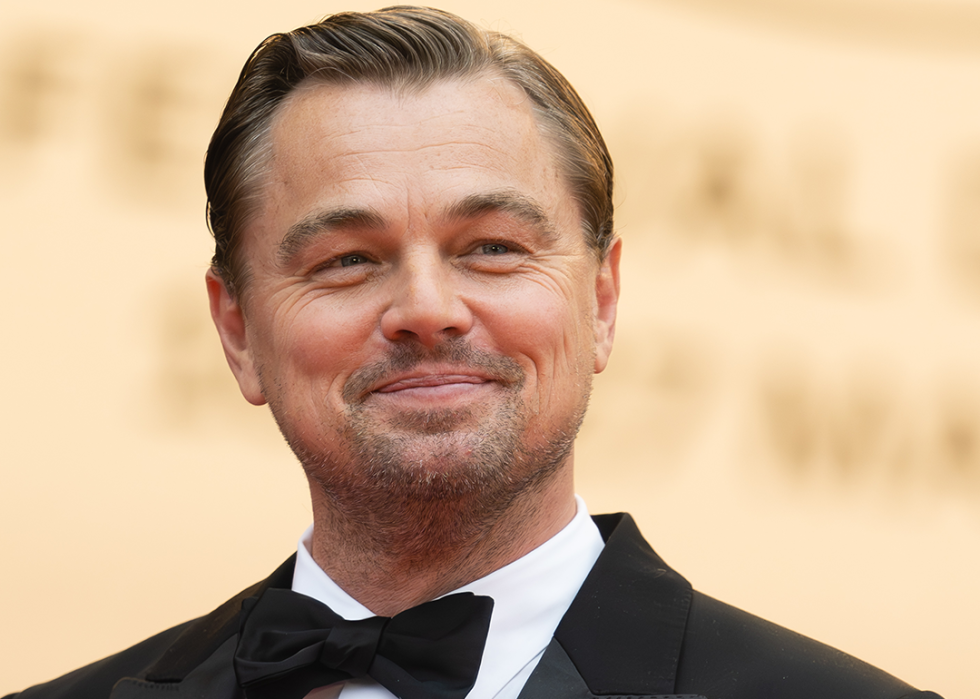
Table of Contents
- The Evolution of an Actor’s Public and Private Persona: Career Shaping Through Personal Choices
- Timeline of Personal and Career Milestones: Leonardo DiCaprio’s Parallel Paths
- Comparative Analysis: Brad Pitt vs. Tom Cruise – Personal Lives and Career Longevity
- Flowchart: The Ripple Effects of Charlie Sheen’s 2011 Meltdown on Career Trajectory
- Behind-the-Scenes: How Personal Struggles Shape Career Narratives
- Public vs. Private Portrayal of Mental Health and Addiction in Interviews and Filmography
- Actors Who Reinvented Their Careers Post-Personal Crisis
- Family Dynamics as Career Shapers: Natalie Portman’s Selective Role Choices
- The Intersection of Activism and Career: When Personal Beliefs Drive Professional Choices
- Activism as a Career Pivot: Role Selection and Industry Response
- Backlash and Crisis Management: When Activism Clashes with Industry Norms
- Career Longevity Comparison: Activist Actors vs. Non-Activist Peers
- The Business of Personal Branding: How Actors Monetize Their Lives
- Monetizing Personal Life Events Through Merchandising and Tie-Ins
- Deconstructing an Actor’s Personal Brand Assets and Cross-Platform Marketing
- The Role of Tabloids and Social Media in Shaping Marketability
The intersection of an actor’s personal life and professional career defines not only their artistic trajectory but also their enduring influence within the entertainment industry. From early role selections that shape public perception to high-profile personal crises that reshape industry opportunities, the boundaries between private struggles and public persona are increasingly fluid. High-profile examples such as Leonardo DiCaprio’s environmental advocacy or Meryl Streep’s political engagements illustrate how personal convictions can become career-defining assets, while scandals like Charlie Sheen’s 2011 meltdown demonstrate the volatile consequences of unchecked personal conduct. This exploration examines how actors navigate the delicate balance between authenticity and marketability, revealing the strategic and often unpredictable forces that govern their longevity in Hollywood.
Through comparative analyses of career trajectories, case studies on activism-driven pivots, and breakdowns of personal branding strategies, this discussion uncovers the systemic relationships between an actor’s private experiences and their professional success. Whether through reinvention post-crisis, strategic activism, or monetization of personal narratives, the synergy between personal life and career remains a pivotal factor in shaping an actor’s legacy. The examination also highlights how industry responses—from studio interventions to public backlash—further amplify or diminish an actor’s relevance, underscoring the complex interplay between individual agency and external forces.
The Evolution of an Actor’s Public and Private Persona: Career Shaping Through Personal Choices
The trajectory of an actor’s career is not solely determined by talent or industry trends; it is profoundly influenced by their personal life decisions, public engagements, and the alignment—or misalignment—between their private values and professional image. Early career choices, such as genre selection, role types, and collaborative projects, often reflect an actor’s evolving identity, which in turn shapes their public perception and personal trajectory. For instance, Leonardo DiCaprio’s transition from action-packed roles (Titanic, The Aviator) to environmentally conscious activism (Before the Flood, documentary work) redefined his public persona as a thought leader, while Meryl Streep’s political engagements (e.g., endorsing candidates, advocating for women’s rights) reinforced her status as a cultural icon beyond entertainment. These intersections between personal convictions and professional branding illustrate how an actor’s public and private lives become intertwined, dictating opportunities, backlash, and legacy.The relationship between personal milestones and career peaks is particularly evident in the lives of actors who navigate public scrutiny, media narratives, and industry expectations. A timeline of such events reveals patterns where personal stability or turmoil correlates with career trajectories—whether through heightened visibility, career reinvention, or professional setbacks.
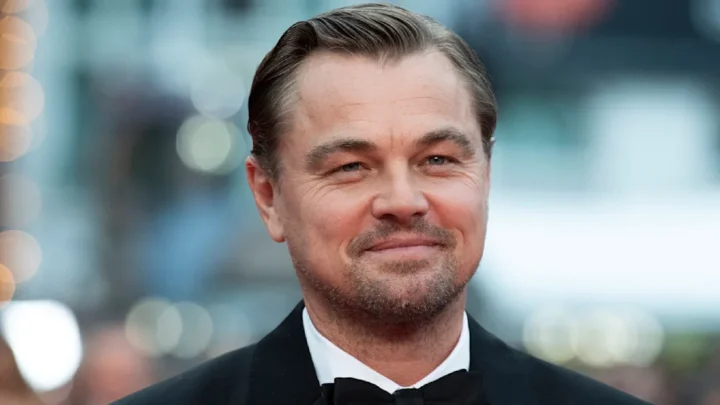
Timeline of Personal and Career Milestones: Leonardo DiCaprio’s Parallel Paths
The following table outlines key personal and career events in Leonardo DiCaprio’s life, demonstrating how his private choices influenced his public standing and industry opportunities. The timeline highlights how activism, relationships, and personal reinvention became integral to his career longevity.| Year | Personal Event | Career Event | Public Perception |
|---|---|---|---|
| 1993 | First major role in This Boy’s Life; begins relationship with actress Gwen Stefani (1995–1999). | Breakthrough with What’s Eating Gilbert Grape (1993), followed by Romeo + Juliet (1996). | Rise of a "teen idol" with rebellious yet artistic appeal; media focuses on youthful charm. |
| 1997 | Ends relationship with Gwen Stefani; begins dating Winona Ryder (1997–1999). | Oscar nomination for The Man in the Iron Mask (1998); critical acclaim for Titanic (1997). | Peak of romanticized public image; Titanic cements him as a global superstar. |
| 2004 | Begins long-term relationship with Bar Refaeli (2004–2005); later marries Camila Morrone (2022). | Oscar win for The Aviator (2004); shifts toward more serious, character-driven roles (Blood Diamond, 2006). | Transition from romantic leading man to "serious actor"; media scrutinizes personal life less. |
| 2014 | Founder of the Leonardo DiCaprio Foundation; public advocacy for climate change begins. | Oscar win for The Revenant (2015); documentary Before the Flood (2016) premieres. | Reinvention as an activist; public perception shifts to "eco-warrior" with intellectual gravitas. |
| 2016 | Engages in high-profile environmental campaigns; separates from Bar Refaeli. | Executive produces Don’t Look Up (2021), a satirical climate change film, reinforcing activist image. | Industry and audiences view him as a leader beyond acting; career benefits from thought-leadership. |
DiCaprio’s career evolution reflects a deliberate strategy to align his personal values (environmentalism) with his professional brand. Each phase—from teen idol to activist—was supported by personal choices that reinforced his public image, demonstrating how actors can leverage personal narratives to sustain relevance.
Comparative Analysis: Brad Pitt vs. Tom Cruise – Personal Lives and Career Longevity
Actors from the same era often exhibit divergent career trajectories due to differing approaches to personal publicity and industry engagement. Brad Pitt and Tom Cruise, both dominant figures of the 1990s and 2000s, illustrate how personal choices—relationships, scandals, and public personas—shape long-term industry standing.Brad Pitt’s career trajectory has been marked by controlled reinvention, where personal scandals (e.g., the Fury Road set affair, 2016) were mitigated by strategic career moves and selective public engagement. His ability to pivot genres (from Fight Club to Ocean’s Eleven to Once Upon a Time in Hollywood) and collaborate with diverse directors (Scorsese, Fincher, Tarantino) ensured his relevance. Pitt’s personal life, though often sensationalized, rarely overshadowed his professional output, as he maintained a low-key but high-impact public persona.
Tom Cruise, conversely, has built his career on unapologetic authenticity, embracing high-energy roles (Mission: Impossible, Top Gun) and controversial personal stances (Scientology, anti-psychiatry activism). His personal life—multiple marriages, divorces, and public feuds (e.g., with Scientology critics)—has been intertwined with his career, often serving as free publicity. However, this approach has also led to industry fatigue; while he remains a box-office draw, his later roles (Top Gun: Maverick, 2022) required significant rebranding to regain critical acclaim.
Key Differences:
Outcome:
Pitt’s strategic personal branding has allowed him to age gracefully in Hollywood, with roles tailored to his evolving image. Cruise’s uncompromising authenticity has sustained his box-office appeal but limited his critical reception, demonstrating how personal consistency—when misaligned with industry trends—can become a liability.
Flowchart: The Ripple Effects of Charlie Sheen’s 2011 Meltdown on Career Trajectory
Charlie Sheen’s infamous 2011 meltdown—marked by erratic behavior, public rants, and industry ostracization—serves as a case study in how a single personal scandal can reshape an actor’s career. The following flowchart outlines the cascading consequences of his actions, from immediate professional fallout to long-term industry reputation.Flowchart Description:
1. Trigger Event (2011):
2. Immediate Career Impact:
Behind-the-Scenes: How Personal Struggles Shape Career Narratives
The intersection of an actor’s personal life and professional trajectory often reveals a duality between public perception and private reality. While interviews may frame struggles as inspirational narratives—highlighting resilience, redemption, or artistic reinvention—filmography frequently encodes these experiences as thematic or visceral storytelling devices. The gap between these representations underscores how actors navigate stigma, authenticity, and industry expectations, with some leveraging their pain into iconic performances while others retreat into controlled privacy. This dynamic reshapes not only their careers but also the cultural discourse around mental health, addiction, and vulnerability in Hollywood.The portrayal of personal struggles in media serves dual purposes: it humanizes actors while simultaneously commodifying their pain for dramatic effect. Actors who openly discuss their battles—whether in documentaries, memoirs, or interviews—often face scrutiny over perceived exploitation, yet their transparency can also foster empathy and redefine their artistic legacy. Conversely, those who maintain privacy may avoid such debates but risk being reduced to one-dimensional personas. The following analysis examines these tensions through case studies, comparative career trajectories, and the role of family and industry expectations in shaping an actor’s public and private identity.
Public vs. Private Portrayal of Mental Health and Addiction in Interviews and Filmography
Actors’ struggles with mental health and addiction are frequently framed in interviews as triumphs of perseverance, while their filmography often transforms these experiences into raw, symbolic performances. The disparity between these narratives reflects both the actor’s agency and the industry’s demand for marketable stories. Below is a side-by-side comparison of Robert Downey Jr.’s recovery arc, illustrating how his personal battles were repurposed into cinematic and public discourse.Interview Portrayal (2010s–Present):
"I was a mess. But the thing about being an addict is you don’t get to choose when you’re going to stop. It chooses you. And for me, it was the court system, it was my family, it was my kids. That’s what stopped me." — Robert Downey Jr. (2014, The Tonight Show Starring Jimmy Fallon)
"I don’t think I could have done The Judge without having lived through what I lived through. The film is about redemption, and so was my life." — Downey Jr. (2014, The Hollywood Reporter)
Filmography Portrayal (The Judge, 2014):Key Observations:
The film’s central conflict—Downey Jr.’s character, Hank Palmer, a disgraced lawyer reconciling with his estranged father (played by Downey Sr.)—mirrors the actor’s own reconciliation with his father and his sobriety. The courtroom scenes, where Palmer grapples with guilt and redemption, parallel Downey’s real-life legal battles and public rehabilitation. The film’s title itself becomes a metaphor for both judicial and personal judgment, with the actor’s performance oscillating between vulnerability and controlled rage, reflecting his dual identity as a recovered addict and a Hollywood icon.
Actors Who Reinvented Their Careers Post-Personal Crisis
Personal crises—whether death, addiction, or public scandal—can catalyze radical career transformations, often redefining an actor’s public image and artistic range. Below are notable examples where actors leveraged their struggles into new creative heights, as attested by directors, castmates, and industry analysts.-
Heath Ledger’s Joker Legacy (Posthumous Reinvention)
Ledger’s untimely death in 2008 at age 28 left behind an unfinished project: The Dark Knight (2008). However, his posthumous role as the Joker became the cornerstone of his legacy, with director Christopher Nolan describing the performance as "a once-in-a-lifetime achievement." The character’s descent into madness, rooted in Ledger’s own research into real-life criminals and his personal struggles with depression, redefined the actor’s career trajectory entirely. Aaron Eckhart, who co-starred in The Dark Knight, noted:"Heath’s Joker wasn’t just a performance; it was a transformation. The way he inhabited that role—physically, mentally—was like watching someone become someone else entirely. It was terrifying and brilliant in equal measure."
Ledger’s death also spawned a cottage industry of Joker interpretations, with Joker (2019), directed by Todd Phillips, becoming a cultural phenomenon ($1.07 billion worldwide). The film’s focus on Arthur Fleck’s psychological unraveling directly echoed Ledger’s own battles with mental health, as revealed in his journals and interviews. -
Philip Seymour Hoffman’s Final Roles (The Master, Capote)
Hoffman’s career peaked in the 2000s with roles that demanded intense psychological immersion. His struggles with addiction and depression were well-documented, yet he maintained a level of privacy that allowed his work to speak for itself. Director Paul Thomas Anderson, who cast Hoffman in The Master (2012), described him as:"The most professional actor I’ve ever worked with. He didn’t need to talk about his personal life—his performances were the conversation. The way he disappeared into a role was like watching a human chameleon."
Hoffman’s final film, The Master, explored themes of obsession and identity, mirroring his own battles. His death in 2014, from a drug overdose, led to a retrospective reevaluation of his career, with many arguing that his later roles were the most authentic reflections of his inner turmoil. -
Mel Gibson’s Post-Scandal Comeback (The Passion of the Christ, Hacksaw Ridge)
Gibson’s 2006 DUI arrest and anti-Semitic remarks derailed his career, but his return to filmmaking was marked by a deliberate shift toward religious and war epics. His 2016 role in Hacksaw Ridge, as a pacifist surgeon, was praised for its emotional rawness. Director Melanie Laurent noted:"Mel’s comeback wasn’t about apology; it was about redemption through storytelling. Hacksaw Ridge wasn’t a plea for forgiveness—it was a testament to his ability to still move people, even at his most controversial."
Gibson’s later films often grappled with themes of guilt and atonement, suggesting a subconscious reckoning with his public image. -
Amy Winehouse’s Cultural Impact (Posthumous Influence on Acting)
While primarily a musician, Winehouse’s struggles with addiction and depression posthumously influenced actors portraying similar arcs. Saoirse Ronan, who played her in Amy (2015), described the challenge of capturing her essence:"Amy’s life was so public yet so private in a way. The tragedy was that her artistry was overshadowed by her personal demons. Playing her meant walking that line between vulnerability and strength—something many actors in her situation struggle with."
Winehouse’s legacy became a blueprint for how artists navigate fame and self-destruction, with later projects like I, Tonya (2017) drawing parallels to her story.
Family Dynamics as Career Shapers: Natalie Portman’s Selective Role Choices
An actor’s upbringing and family environment often dictate their professional boundaries, particularly in industries where commercial viability clashes with personal values. Natalie Portman’s childhood in a scientifically rigorous household—her father was a professor of mathematics and computer science, and her mother a cognitive scientist—shaped her meticulous approach to career decisions. Unlike peers who prioritize box office appeal, Portman has consistently avoided commercial projects that conflict with her intellectual and artistic standards.Key Influences:
The Intersection of Activism and Career: When Personal Beliefs Drive Professional Choices
Activism in an actor’s career often serves as a catalyst for both critical acclaim and commercial risk, reshaping their public image while influencing their project selections. When personal convictions align with storytelling, actors may choose roles that amplify marginalized voices, challenge societal norms, or directly engage with political causes—sometimes at the expense of mainstream appeal. This dynamic creates a tension between artistic integrity and industry expectations, where box-office success and social impact become competing priorities. The following analysis explores how activism intersects with career trajectories, examining case studies of actors who pivoted their careers, faced backlash, or sustained long-term influence through their public stances.Activism as a Career Pivot: Role Selection and Industry Response
Actors who embed activism into their professional lives often experience shifts in their career arcs, either by design or as a reaction to public scrutiny. These pivots can manifest in three primary ways: strategic role selection (e.g., choosing dramas over comedies to align with advocacy), public campaigns tied to projects (e.g., using film premieres to amplify causes), or career reinvention following high-profile controversies. Studios may respond with cautious greenlighting, rebranding campaigns, or outright resistance, particularly when activism conflicts with a franchise’s commercial viability.Case Study: Will Smith’s Career Shift Post-Oscars Slap and Activism
Will Smith’s career underwent a dramatic transformation following his 2022 Oscars altercation with Chris Rock, an incident that reignited debates about accountability, privilege, and public accountability. His subsequent pivot toward activism—particularly his advocacy for Black representation in Hollywood and critiques of systemic racism—coincided with a shift in his project choices and public persona.
- Timeline of Public Statements and Project Shifts:
Industry Response:
Backlash and Crisis Management: When Activism Clashes with Industry Norms
Actors who publicly align their work with activism often encounter pushback from studios, audiences, or industry gatekeepers, particularly when their stances challenge mainstream narratives. Backlash can take forms such as project cancellations, rebranding efforts, or career stagnation, forcing actors to navigate crisis management strategies that balance authenticity with commercial viability.Jodie Foster’s LGBTQ+ Advocacy in the 1990s: A Crisis Management Breakdown
Foster’s role as a lesbian in The Accused (1988) and Little Man Tate (1991) positioned her as an early advocate for LGBTQ+ representation in Hollywood, but her activism also triggered industry resistance during an era when queer narratives were rarely embraced.
- Context of Backlash:
- Crisis Management Strategies:
Key Lessons from Foster’s Experience:
Activism in Hollywood requires a three-pronged strategy: (1) Narrative alignment (choosing roles that reflect values without alienating audiences), (2) industry negotiation (securing creative autonomy to avoid typecasting), and (3) diversified advocacy (expanding causes to mitigate backlash from single-issue opponents).
Career Longevity Comparison: Activist Actors vs. Non-Activist Peers
Activism can extend an actor’s career by fostering cultural relevance and awards recognition, but it may also limit opportunities in commercially driven genres. Below is a comparative analysis of two actors—Danny Glover (activist) and Tom Cruise (non-activist)—highlighting how their career trajectories differ in terms of longevity, project diversity, and industry influence.| Metric | Danny Glover (Activist) | Tom Cruise (Non-Activist) |
|---|---|---|
| Years Active | 1978–present (45+ years) | 1981–present (42+ years) |
| Notable Projects | Lethal Weapon (1987–1998), The Color Purple (1985), Lovely & Amazing (2001), Selma (2014) | Top Gun (1986), Jerry Maguire (1996), Mission: Impossible franchise (1996–present) |
| Industry Influence | Social Impact Score (9/10): Advocacy for racial justice, environmentalism, and labor rights; frequent collaborations with independent and socially conscious filmmakers. | Commercial Dominance Score (10/10): Franchise-driven career with consistent box-office success; minimal public activism beyond charity work. |
| Career Pivots | Shifted from action roles to dramatic and political films (e.g., The Preacher’s Wife, Selma); used roles to amplify civil rights narratives. | Remained in high-octane action franchises; avoided politically charged roles to maintain broad appeal. |
| Audience Reception | Niche but Loyal Base: Critics and activist audiences celebrate his work, but mainstream commercial success waned post-Lethal Weapon. | Global Mass Appeal: Consistently top-grossing films; brand synonymous with action cinema. |
| Studio Relationships | Selective Partnerships: Worked with A24, Focus Features, and Netflix for socially conscious projects; fewer blockbuster offers post-2000s. | Studio Loyalty: Long-term contracts with Paramount (Mission: Impossible) and Warner Bros. (early career). |
The Business of Personal Branding: How Actors Monetize Their Lives
The modern entertainment industry has transformed celebrity into a commercial asset, where an actor’s personal life—once considered private—now serves as a strategic extension of their professional brand. Actors no longer rely solely on filmography for income; they monetize authenticity, relatability, and cultural relevance through merchandising, endorsements, and digital engagement. This section examines how stars leverage personal narratives, public personas, and viral moments into sustainable revenue streams, dissecting the mechanics of personal branding in Hollywood and beyond.Actors today operate as multimedia enterprises, where every aspect of their lives—from family dynamics to personal struggles—is curated, packaged, and sold to audiences. The intersection of personal branding and career monetization creates a feedback loop: public exposure drives demand for products, partnerships, and experiences, while commercial success further amplifies an actor’s cultural footprint. Below, the breakdown explores how these strategies function across platforms, the role of media in shaping marketability, and the long-term financial implications of an actor’s public persona.
Monetizing Personal Life Events Through Merchandising and Tie-Ins
Actors strategically integrate personal life events into promotional campaigns, creating cross-platform revenue streams that extend beyond traditional film royalties. These tie-ins often capitalize on emotional connections—such as family milestones, philanthropic efforts, or behind-the-scenes revelations—to deepen fan engagement and justify premium pricing.Case Study: Hugh Jackman’s Wolverine Family Photoshoots and Merchandise
Jackman’s 2017 Logan sequel leveraged his real-life fatherhood by incorporating family photoshoots into promotional materials. The actor’s wife, Deborra-Lee Furness, and their children appeared in official trailers and press kits, framing Wolverine’s legacy as both fictional and familial. This approach:
Revenue Breakdown for Personal Life Tie-Ins
Actors typically derive income from three primary channels when monetizing personal events:
1. Licensed Merchandise: Collaborations with brands (e.g., Disney for Wolverine toys, Lululemon for yoga-inspired apparel tied to an actor’s wellness advocacy).
2. Branded Experiences: VIP tours, meet-and-greets, or themed events (e.g., Ryan Reynolds’ "Deadpool" family fun days at Universal Studios).
3. Digital Content: Exclusive behind-the-scenes footage, podcasts, or social media series (e.g., Priyanka Chopra’s "The Archies" animated series, which blended her personal interests in music and storytelling).
Key Insight:
> "The most lucrative personal branding strategies are those that align an actor’s private life with a pre-existing fanbase’s emotional investment in their public persona. Authenticity is non-negotiable—forced narratives (e.g., staged controversies) erode trust and diminish long-term ROI."
Deconstructing an Actor’s Personal Brand Assets and Cross-Platform Marketing
An actor’s personal brand is an amalgamation of distinct assets—traits, skills, and narratives—that are systematically marketed across film, social media, and commercial partnerships. These assets are not static; they evolve with an actor’s career trajectory, cultural relevance, and audience demographics. Below is a comparative analysis of how two actors—Ryan Reynolds and Priyanka Chopra—have built and monetized their brands using divergent yet complementary strategies.Ryan Reynolds: The Mastery of Humor and Self-Deprecation
Reynolds’ brand is anchored in wit, irreverence, and a relatable everyman persona, which he deploys across platforms to maintain mass appeal. His marketing strategy includes:
Priyanka Chopra: Global Diplomacy and Multicultural Storytelling
Chopra’s brand is built on three pillars: Bollywood stardom, global diplomacy, and cultural ambassadorship. Her cross-platform strategy includes:
Comparative Brand Asset Breakdown
| Actor | Core Brand Assets | Primary Revenue Streams | Platform Specialization |
|---|---|---|---|
| Ryan Reynolds | Humor, self-deprecation, anti-establishment | Merchandise, endorsements, digital content | Social media, film franchises |
| Priyanka Chopra | Cultural diplomacy, philanthropy, glamour | Endorsements, fashion, UN partnerships | Social media, international film festivals |
> "The sustainability of an actor’s personal brand hinges on its adaptability. Reynolds’ brand thrives on meme culture and irreverence, while Chopra’s relies on institutional trust and multicultural appeal. Both models require constant reinvention to avoid commodification."
The Role of Tabloids and Social Media in Shaping Marketability
The entertainment media ecosystem—comprising tabloids, gossip blogs, and social media—acts as both a double-edged sword and a catalyst for an actor’s marketability. While scandals can derail careers (e.g., Lindsay Lohan), strategic leaks and curated controversies can redefine an actor’s public image (e.g., Kristen Stewart). The following analysis explores how media narratives influence career trajectories, using comparative case studies to illustrate the financial and reputational stakes.Kristen Stewart: The Indie Film Revival Through Controlled Narratives
Stewart’s career rebounded in the 2010s after Twilight by leveraging indie film credibility and selective media engagement. Her strategy included:
The dynamic between an actor’s personal life and career is not merely a matter of coincidence but a calculated interplay of timing, perception, and industry adaptation. From the reinvention of Heath Ledger’s posthumous Joker legacy to the career shifts of activists like Will Smith, these narratives reveal how personal evolution can either redefine or derail professional trajectories. The data-driven comparisons of private versus public-facing actors, alongside the monetization of personal branding, underscore a broader industry trend: authenticity, when strategically managed, can be a sustainable competitive advantage. Ultimately, the most enduring careers are not those shielded from personal scrutiny but those that transform challenges into narrative assets, proving that an actor’s greatest roles may lie beyond the script.
Leave a Comment
Comments are moderated before appearing. The data you submit is processed according to the Privacy Policy of ir.msu.ac.zw.